Press Releases

More boots on the ground against wildlife poaching and trafficking

More boots on the ground against wildlife poaching and trafficking

A Press Release from Sabah Wildlife Department, Danau Girang Field Centre and Yayasan Sime Darby

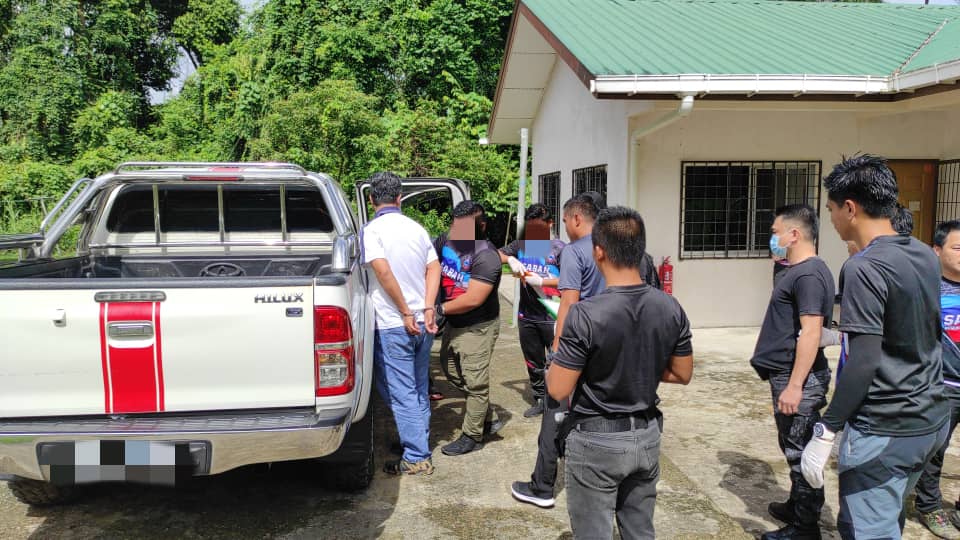
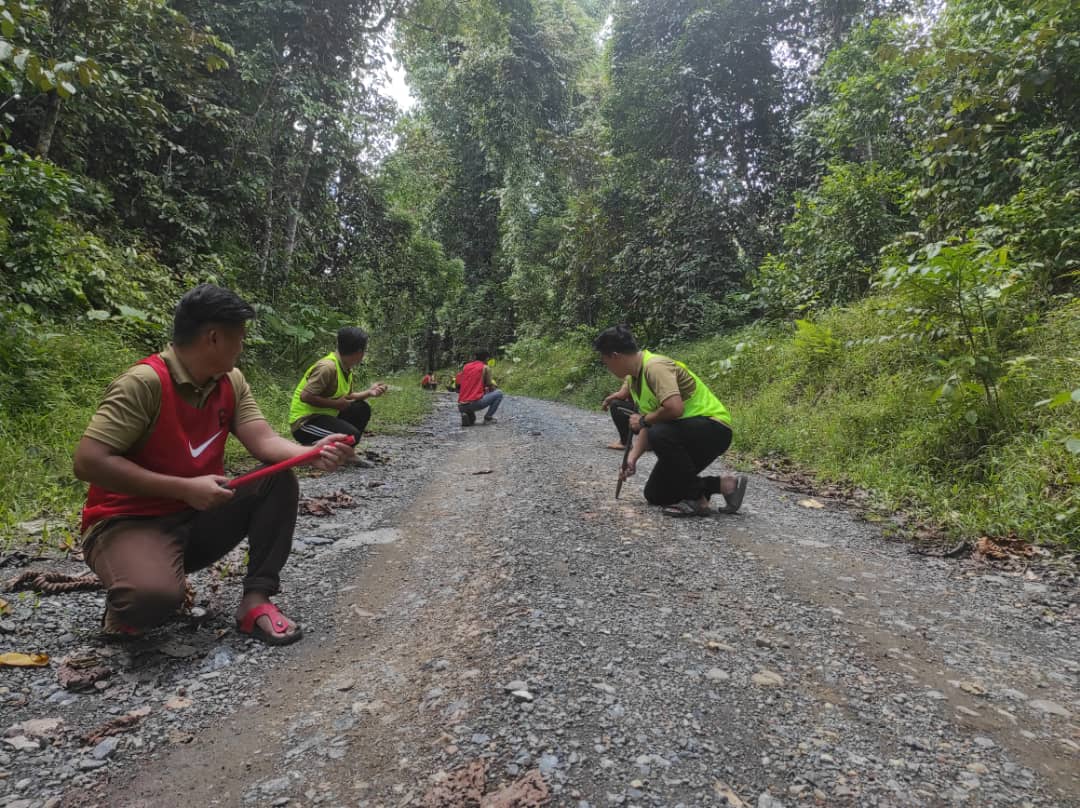
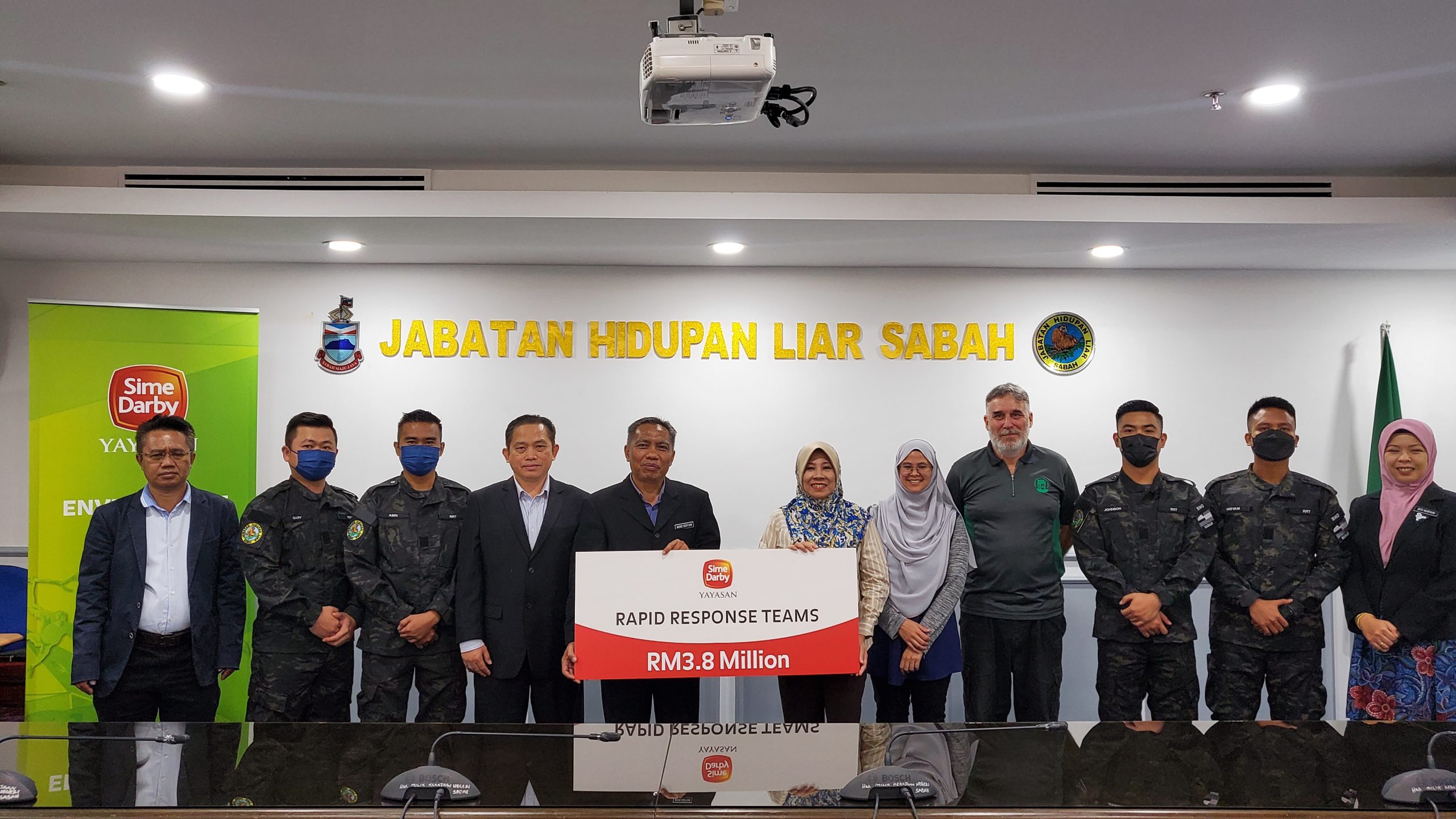
13 March 2023, Kota Kinabalu: Yayasan Sime Darby (YSD) has allocated RM3.8 million to Sabah Wildlife Department (SWD) and Danau Girang Field Centre (DGFC) to set up the Rapid Response Teams (RRT), a team of rangers who are being trained to improve effectiveness in reducing wildlife crimes in Sabah. This support had also facilitated an additional RM250,000 in matching funds from the Ministry of Finance for the initiative.

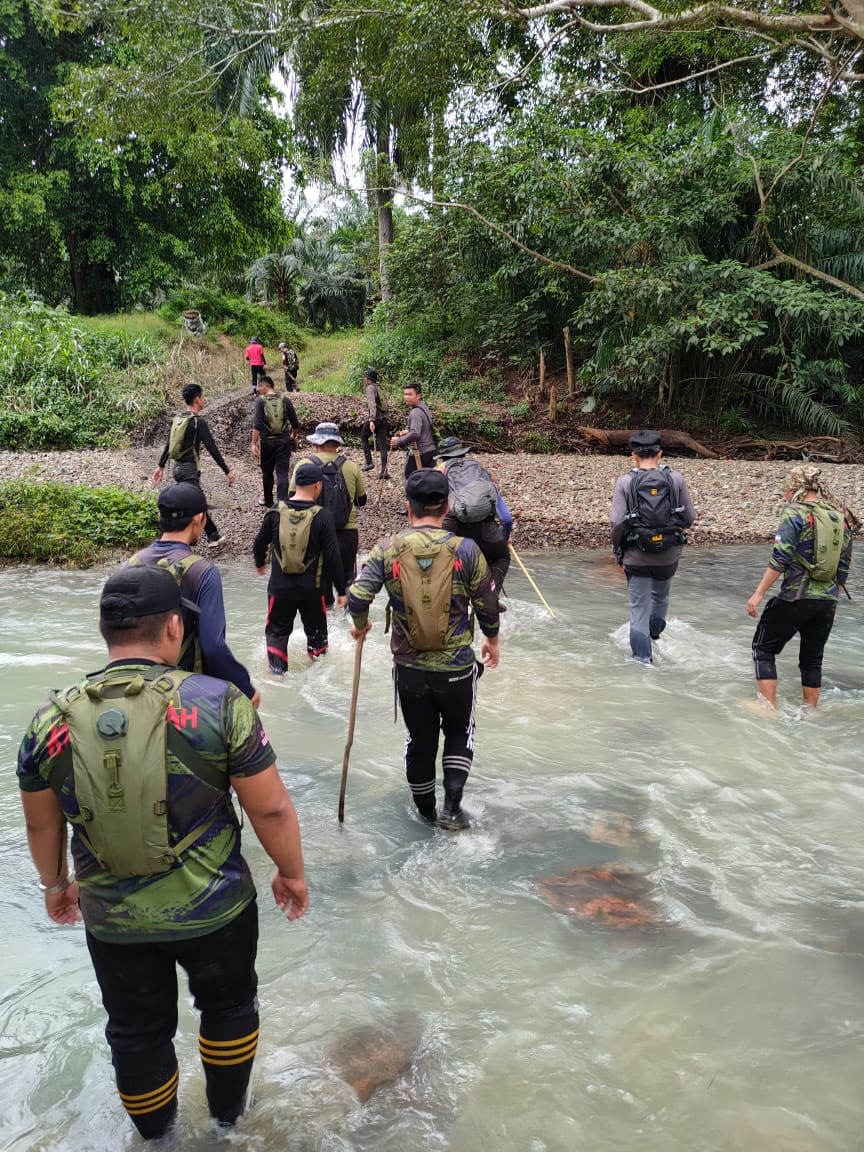
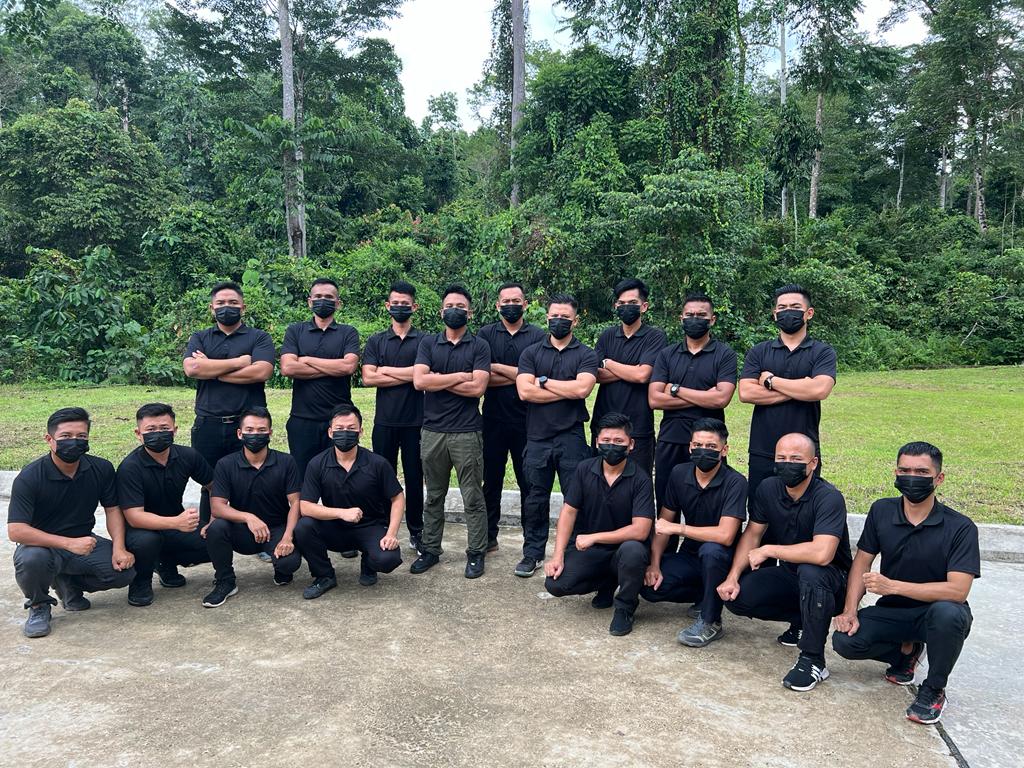
With the sponsorship commitment that commenced last year, DGFC and SWD had set up 3 RRTs consisting of 16 rangers and 1 commander recruited across Sabah including Semporna, Ranau, Lahad Datu, Kinabatangan and Tenom districts. They had been trained to respond to alerts received in real time, perform ad-hoc operations, and support the development of any case investigations. These efforts are intended to accomplish the goals of the Sabah State Action Plan for the conservation of the Bornean banteng, Sunda clouded leopard, proboscis monkey, and Bornean elephant, among others.

“For the past 3 years, DGFC has been committed to the implementation of the State Action Plans that were launched in 2019 and 2020 by the State Government. We started in 2020 with the creation of an Intelligence Unit and a Forensic Unit for the SWD, funded by the US Department of State. Now, the idea of the RRT is to increase the capacity and effectiveness of SWD in rapidly responding to wildlife poaching, trafficking and illegal wildlife trade in Sabah,” said Professor Benoit Goossens, Director of DGFC. “The emphasis will be on tackling online-related modus operandi and in protecting key areas in Sabah such as the Lower Kinabatangan Wildlife Sanctuary and Tabin Wildlife Reserve. The responses will be primarily dictated by the crime analytical products developed by the SWD’s Intelligence Unit and by other monitoring systems,” added Professor Goossens.

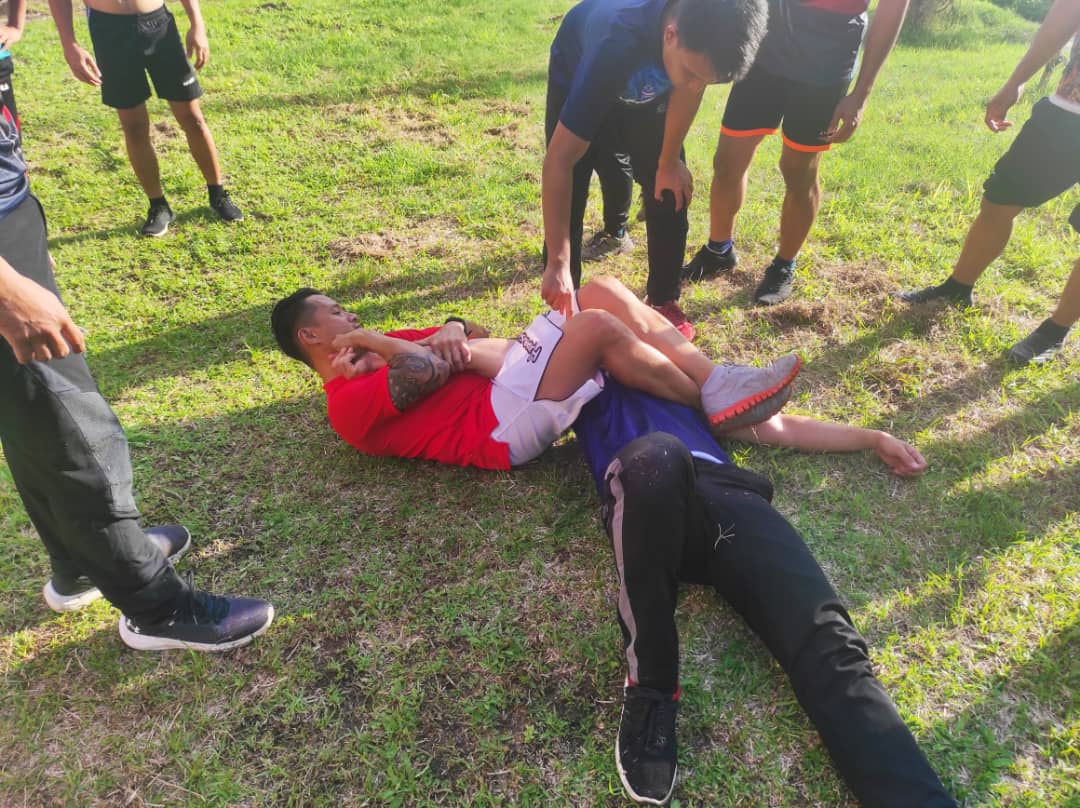
“A commander and an assistant commander were hired last August, it was followed by a 2-day intensive selection course organised in Ranau for 39 Sabahans,” said Augustine Tuuga, Director of SWD. “19 were selected to take part in a 3-month intensive training in Tabin Wildlife Reserve that included several modules such as Honorary Wildlife Warden, first aid and forest rescue, tree climbing, self-defence/combative fight and counter-poaching operations. Following the intensive training that ended mid-November 2022, 15 rangers were hired by SWD, with 12 starting patrolling in and around Tabin Wildlife Reserve and 3 based in Kota Kinabalu to support our intelligence unit and respond to wildlife crime offences. Next month, 6 rangers from the 12 currently based in Tabin will move to the Lower Kinabatangan Wildlife Sanctuary,” added Tuuga. “It is my hope that those 17 rangers will become civil servants at the end of this 3-year programme, and will be permanently incorporated within my department,” concluded Tuuga.

“Following our support for the expansion of the Sabah Forestry Department’s PROTECT team, Yayasan Sime Darby is now working with the Sabah Wildlife Department and Danau Girang Field Centre to further combat wildlife poaching and trafficking by complementing the existing 60 rangers from SWD with additional boots on the ground for improved intelligence and response activities,” said Dr Yatela Zainal Abidin, CEO of Yayasan Sime Darby. “With the imminent increase of poaching and wildlife trafficking, our most treasured yet endangered flora and fauna are threatened to the brink of extinction. We do not want a repeat of the tragedy that befell our Sumatran rhinoceros, which was driven to extinction due to the demand for its horn. Through this important government-led initiative with a renowned wildlife research and conservation centre like DGFC, we hope to finally eradicate poaching activities to ensure the survival of our national treasures in Sabah,” emphasised Dr Yatela.

“I was present at Tabin Wildlife Reserve when the trainees received their certificates following the 3-month intensive training. I felt extremely proud of these young Sabahans who were entrusted with the heavy job of protecting their forests and wildlife. It makes me very happy to see that my team at DGFC is playing a substantial role in boosting wildlife conservation in the State,” concluded Professor Goossens.

About Sabah Wildlife Department

Sabah Wildlife Department was officially established on 1st January 1988. It is an official department under the Ministry of Tourism, Culture and Environment which is committed to the enforcement of the Sabah Wildlife Conservation Enactment 1997 and the management of Sabah’s wildlife resources.

About Danau Girang Field Centre (DGFC)

Danau Girang Field Centre is a collaborative research and training facility managed by the Sabah Wildlife Department and Cardiff University. It is situated in Lot 6 of the Lower Kinabatangan Wildlife Sanctuary in Sabah. For more information, visit www.dgfc.life.

About Yayasan Sime Darby (YSD)

Yayasan Sime Darby or Sime Darby Foundation is the philanthropic arm of Sime Darby Berhad, Sime Darby Plantation Berhad and Sime Darby Property Berhad. Established in 1982, the foundation revolves around five pillars which are Education, Environment, Community & Health, Sports, and Arts & Culture. Led by an independent Governing Council, the foundation is managed by a dedicated team who works closely with the 3 Sime Darby companies in areas of mutual interest. Since its inception, the foundation has expanded its wings from offering scholarships to outstanding and deserving individuals to funding impactful conservation, outreach, and development programmes. For more information, visit www.yayasansimedarby.com. 
-ENDS-

_______________________________________________

For more information on this press release, please contact:

Dr Benoit Goossens
Danau Girang Field Centre
contact@dgfc.life

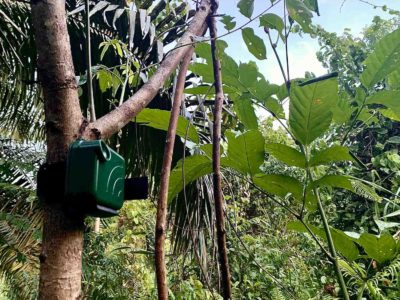
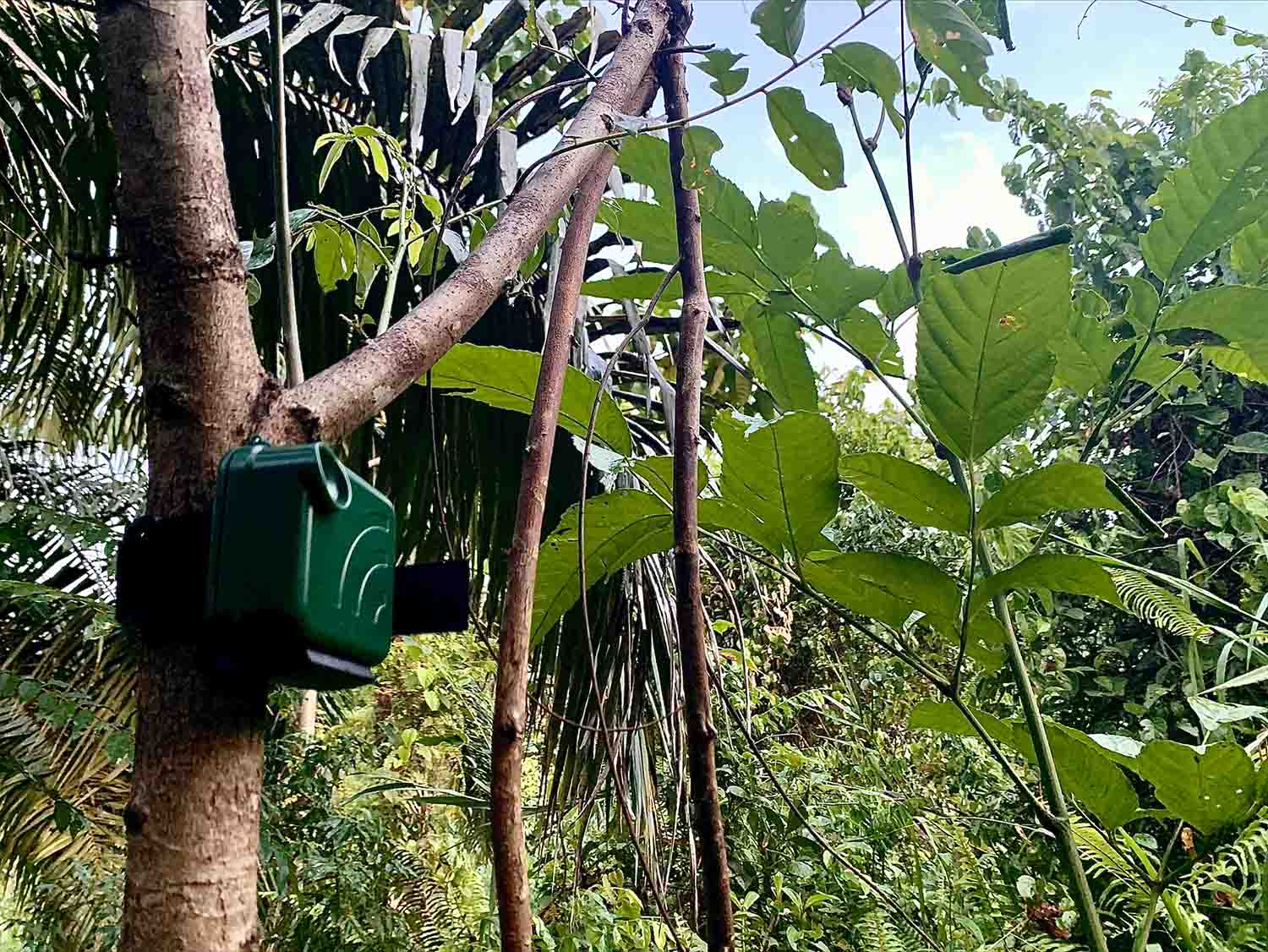
AudioMoth in Kinabatangan forest for acoustic monitoring

Microphones could help track disease risk in the wild

Microphones could help track disease risk in the wild

A joint Press Release from University of Glasgow, Danau Girang Field Centre (DGFC) and Rainforest Connection

28 February 2023, Kota Kinabalu: Researchers have shown how sounds recorded by low-cost microphones could be used to help track infectious disease risks in the rainforest and in other rapidly changing landscapes.

The study, funded by the Wellcome Trust, the Royal Society and the US Department of State, and published in Trends in Parasitology, discusses how listening to the sounds of an ecosystem can inform our understanding of factors that drive the spread of disease between animals and people.

The findings are the result of a partnership between researchers from the University of Glasgow, Danau Girang Field Centre and Rainforest Connection, an NGO which uses sound recording to monitor endangered species and send real-time alerts to prevent poaching and illegal logging in the rainforests.

To track illegal activity, Rainforest Connection uses microphones to detect human noise in the forest – not specifically speech, but listening for sounds of activity like chainsaws, gunshots, or movement through the forest.

The researchers describe how acoustic monitoring – a cost-effective, non-invasive tool – could also be effectively used to strengthen early warning systems and improve disease surveillance.

“By recording the sounds that animals make, we can detect changes in wildlife that could impact human disease risk; for example, tracking the changes in frequency of animal calls to identify mass mortality in wildlife due to a disease outbreak,” said Dr Kimberly Fornace from University of Glasgow. “Acoustic data could be used to detect changes in the location or behaviours of animals in areas where zoonotic diseases (like malaria, yellow fever, rabies, trypanosomiasis and Rift Valley fever) exist and could pose a risk to other humans and animals. While acoustic monitoring won’t replace existing field-based methods used to track disease risk, we believe it could be a novel and useful tool when used in combination with current methods,” added Fornace.

“Passive acoustic monitoring is typically used in wildlife conservation to investigate population dynamics and behavioural trends of animals that make noise – including sound we cannot hear, like echolocation,” said Dr Milena Salgado Lynn from Danau Girang Field Centre. “More specifically, our work demonstrates how acoustic monitoring can be used to monitor the spread of zoonotic malaria from monkeys to mosquitos to people. For mosquito-borne diseases such as malaria, detection of human activity at times when mosquitos are most active could indicate heightened disease risk and be used to identify where people are exposed to infectious mosquitos. Within the Malaysian rainforest and plantation areas, we have now set up an acoustic monitoring grid to track when monkeys are moving into areas with mosquitos,” added Salgado Lynn.

Emilia Johnson, from the University of Glasgow’s School of Biodiversity, One Health and Veterinary Medicine, said: “Emerging infectious diseases pose a significant burden on global public health, and there is a need to better understand diseases that crop up at the boundaries where human activity and wildlife habitats meet. “Sound recording provides an opportunity to collect and analyse useful data in real-time and over very broad scales; in this way, acoustic surveys can complement existing surveillance methods and offer important new insight into the dynamic ecosystems that underpin infectious disease epidemiology,” concluded Johnson.

AudioMoth in Kinabatangan forest for acoustic monitoring
AudioMoth in forest for acoustic monitoring to evaluate risk factors for monkey malaria (Plasmodium knowlesi) (Credit: Emilia Johnson)

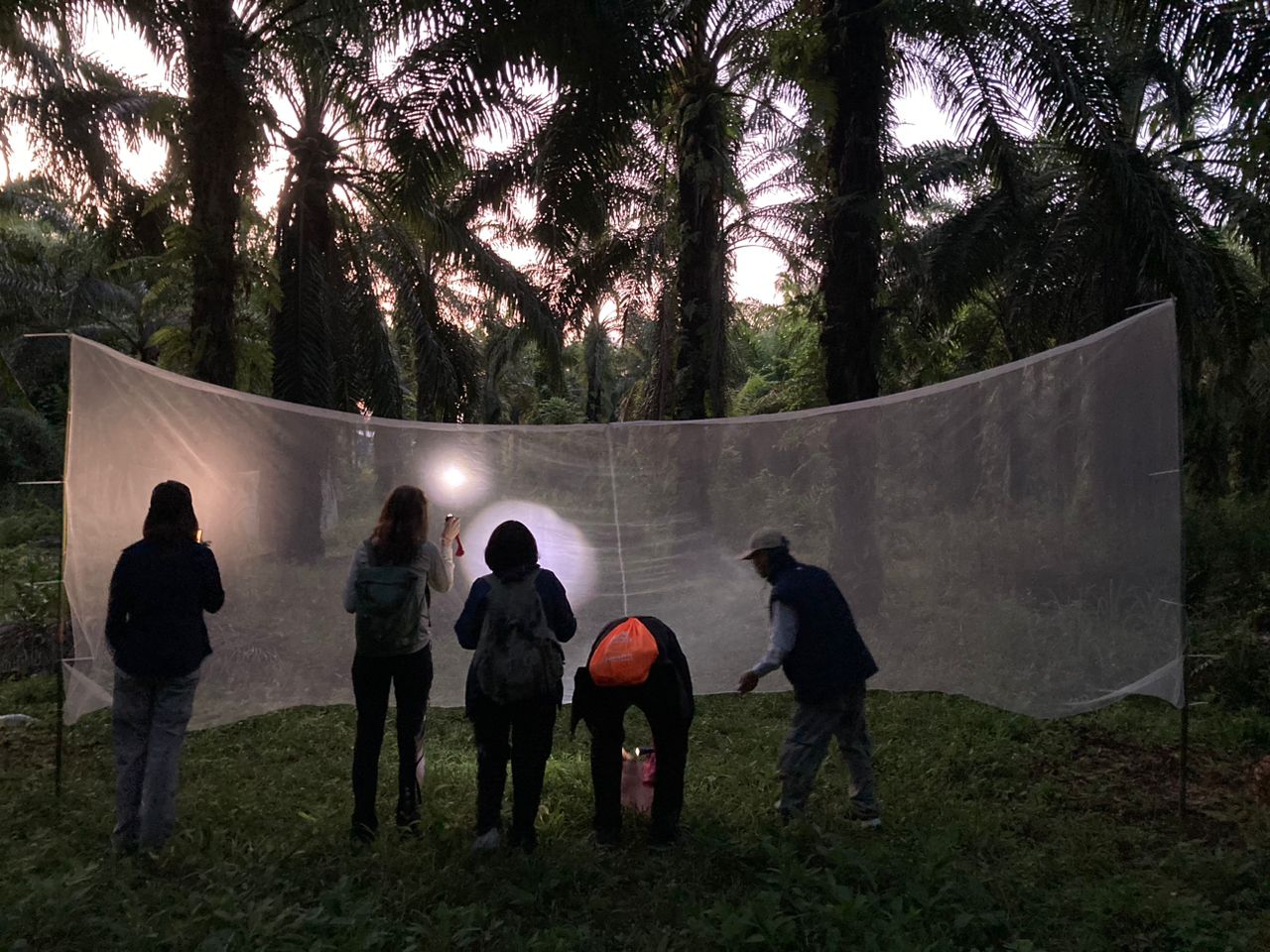
Mosquito catches in Kalabakan district, Sabah
Mosquito catches in Kalabakan district, Sabah (Credit: Addy Samsudin)

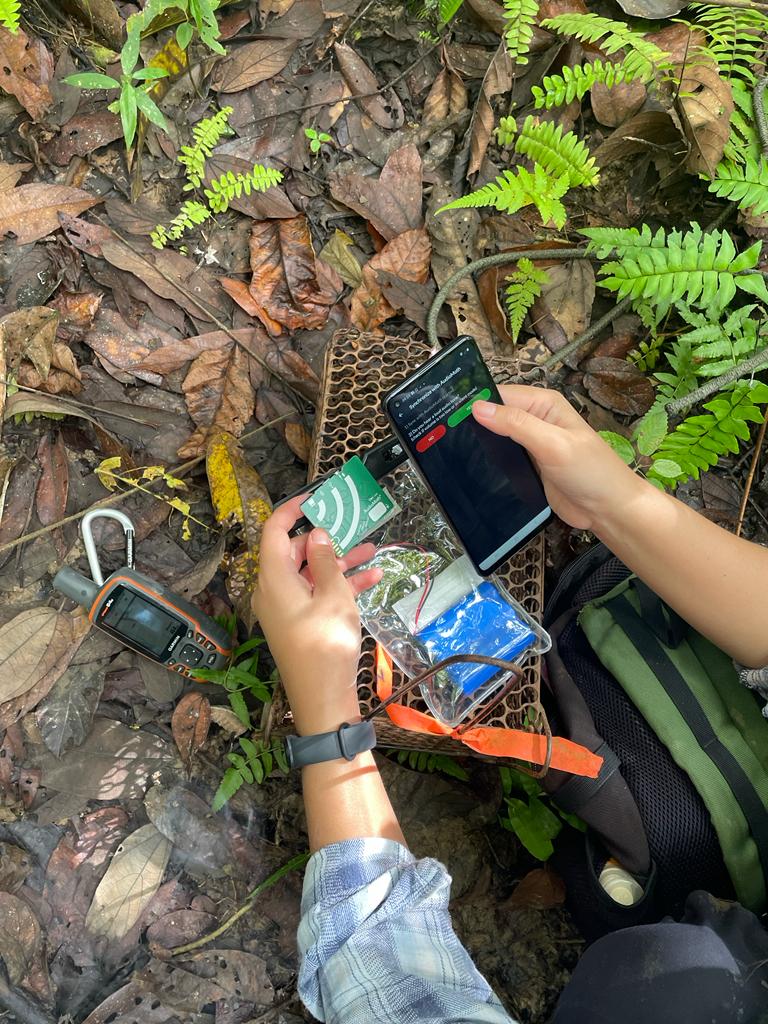
Programming the AudioMoth to collect data at DGFC
Programming the AudioMoth to collect data at DGFC (Credit: DGFC)

-ENDS-

_______________________________________________

For more information on this press release, please contact:

Dr Benoit Goossens
Danau Girang Field Centre
contact@dgfc.life

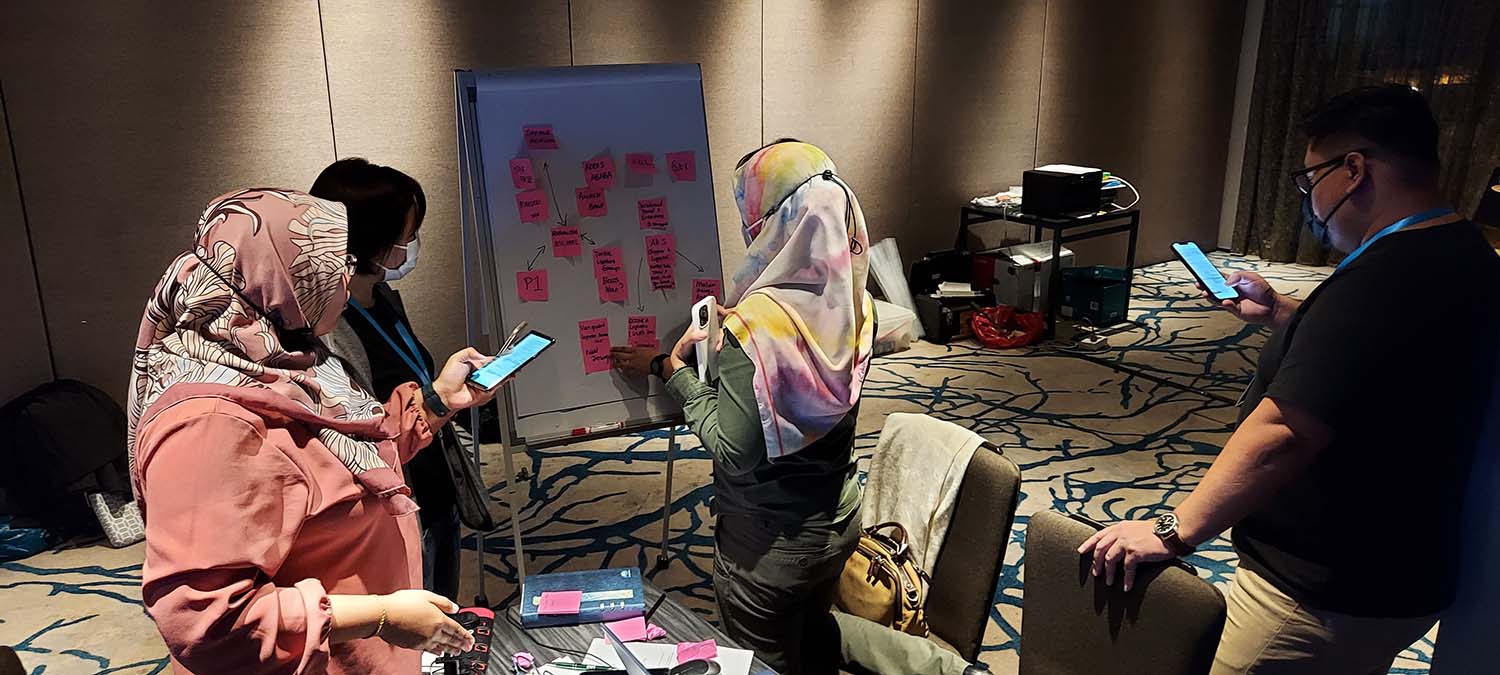
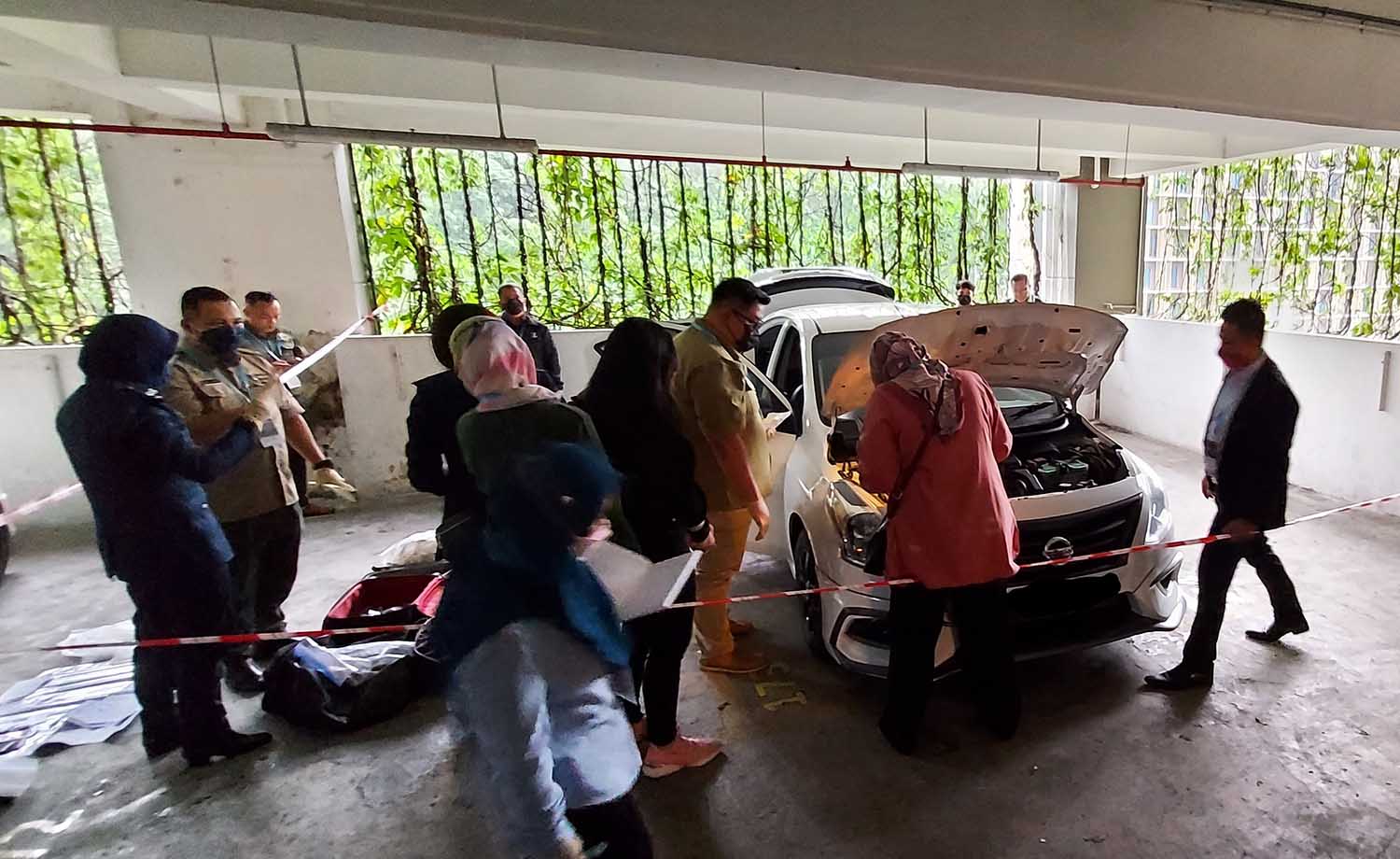
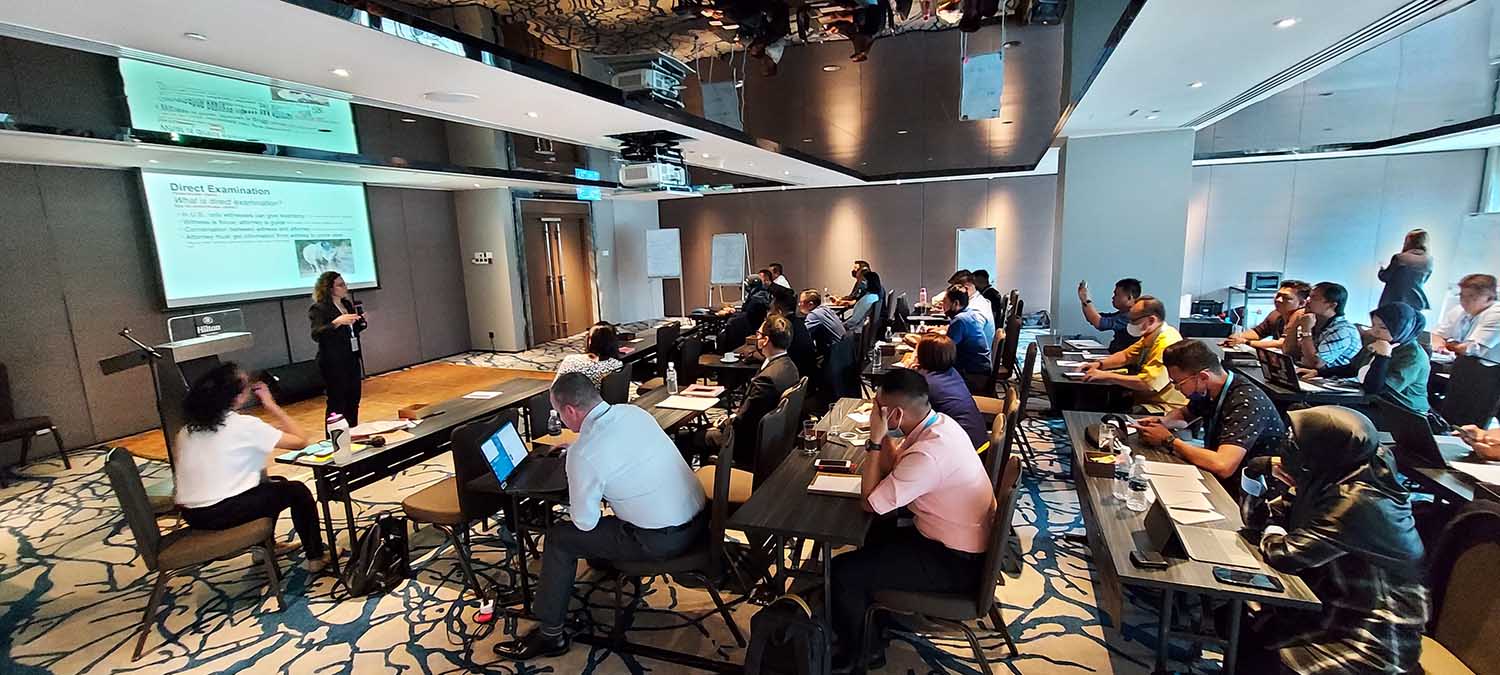
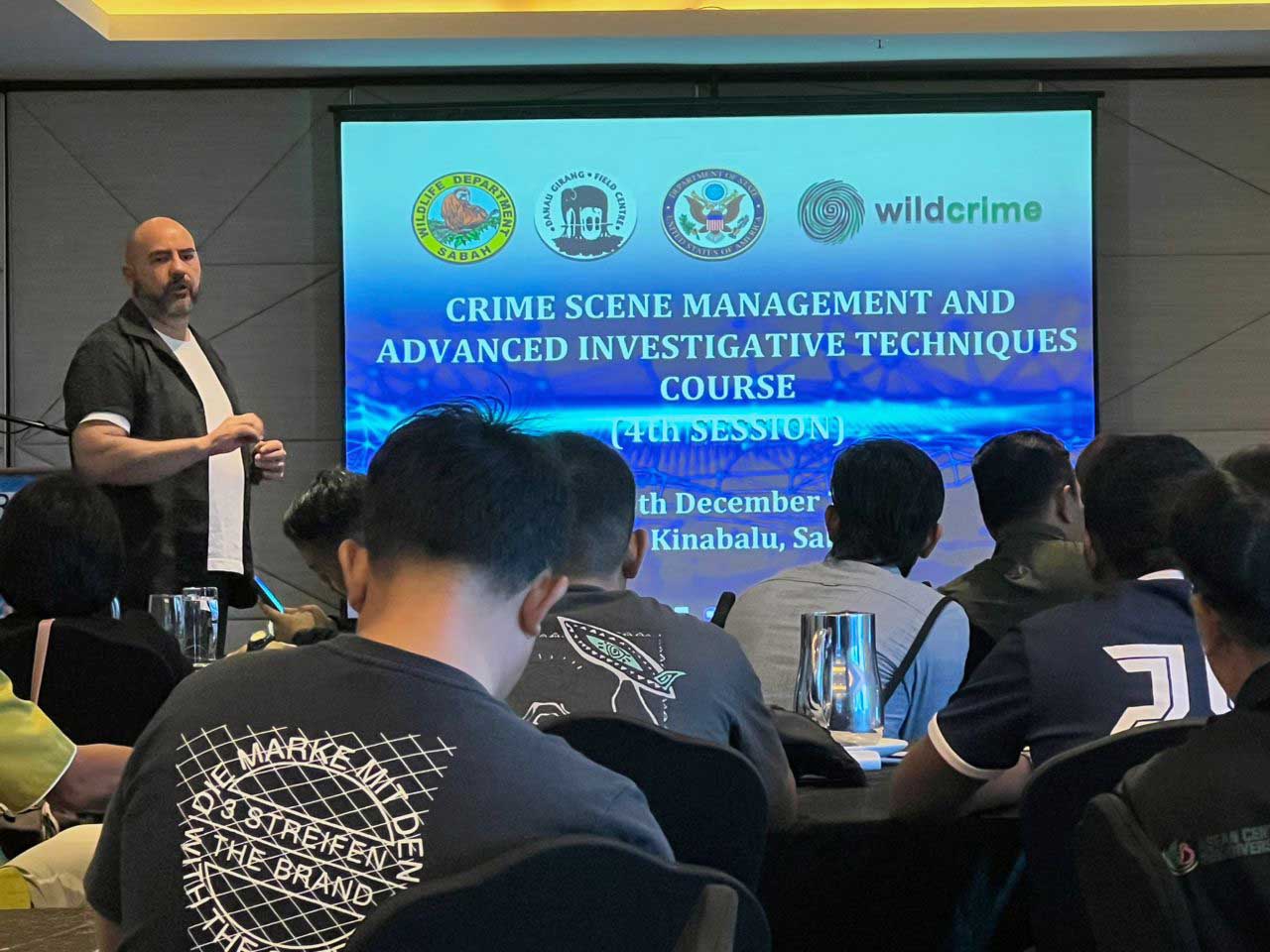
Crime Scene Management and Advanced Investigative Techniques Course, held in Kota Kinabalu in December 2022, organized by the Sabah Wildlife Department and Danau Girang Field Centre (DGFC)

Crime Scene Management and Advanced Investigative Techniques Course

Crime Scene Management and Advanced Investigative Techniques Course

A joint Press Release from Sabah Wildlife Department (SWD) and Danau Girang Field Centre (DGFC) 

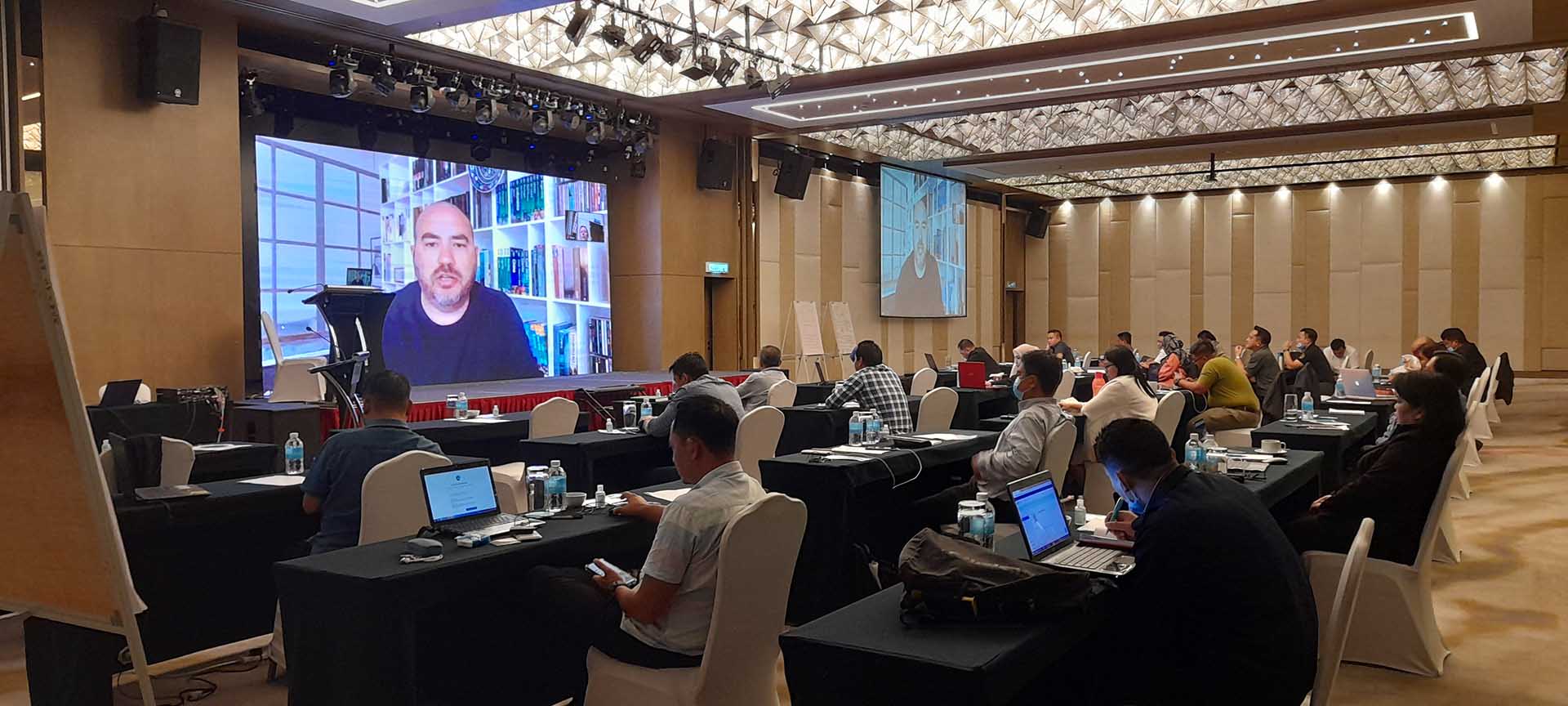
5–8 December 2022, Kota Kinabalu: Thirty participants of 14 government and non-government organizations concluded the 4th Module of a “Crime Scene and Advanced Investigation Techniques” training last week. The series of trainings was organized by the Sabah Wildlife Department (SWD) and Danau Girang Field Centre (DGFC), with funding from the US Department of State. The full course was delivered by Mr Justin Gosling, a law-enforcement and criminal justice specialist whose experience spans three decades, including service as a British police detective and as a consultant developing counter-trafficking policy and responses for world leading crime prevention organizations including INTERPOL. Due to the COVID-19 pandemic, the four modules of this programme were spread over three years, covering topics such as Operational Planning, Surveillance, Controlled Deliveries, Crime Scene Investigation and Evidence Management and Continuity, among others.

“The original plan of 5 consecutive modules throughout 2020 had to be adapted due to the COVID-19 pandemic. The first two sessions had to be delivered remotely last year, one session was exchanged for a manual, and finally, we manage to conduct the last two sessions in person this year.”, said Mr Justin Gosling. “This course is essential to tackle serious organized wildlife crime and provide a comprehensive range of tactics that the enforcement officers can use. The enthusiasm and commitment of the participants demonstrate they are prepared and willing to take on the scourge of wildlife crimes.”, he concluded.

It is very important for the SWD officers, and for those from other agencies that come across wildlife crimes, to work together and continue learning and practicing methods that will help secure arrests, prosecutions and convictions. This series of trainings has enabled this. The continuity of support from the agencies and participants throughout the four modules provided a unique opportunity to strengthen the collaboration between agencies; it was a forum to exchange experiences where junior officers learnt from the most experienced ones.

This training is part of the Program “Boosting Enforcement and Forensic Capacity to Deter Wildlife Trafficking in Sabah” which has been running since 2019 and is funded through the Bureau of International Narcotics and Law Enforcement Affairs (INL). Dr Milena Salgado Lynn, DGFC’s Program Manager noted that “Unlike the Royal Malaysian Police, agencies like the Sabah Wildlife Department, Sabah Forestry Department and Sabah Parks have no academy or college their personnel can attend to learn the topics and techniques covered in these modules. Given their role in law enforcement for wildlife crimes, courses like this one are necessary and Danau Girang Field Centre is very pleased to organize them.”

A total of 45 participants were trained through the whole program and provided with a manual, in English and Malay, covering all the topics. Participating agencies included the Sabah Wildlife Department, Sabah Forestry Department, Sabah Parks, Department of Fisheries, PERHILITAN, Sarawak Forestry Corporation, Royal Malaysian Customs Department, Malaysia Maritime Enforcement Agency, Eastern Sabah Security Command, General Operations Force, Royal Malaysian Police, Marine Police, WWF Sabah and Danau Girang Field Centre. The INL funded program will end next year.

-ENDS-

_______________________________________________

For more information on this press release, please contact:

Dr Benoit Goossens
Danau Girang Field Centre
contact@dgfc.life


Crime Scene Management and Advanced Investigative Techniques Course, held in Kota Kinabalu in December 2022, organized by the Sabah Wildlife Department and Danau Girang Field Centre (DGFC)
Mr Justin Gosling, a law-enforcement and criminal justice specialist, debriefs participants at the course, which is part of the “Boosting Enforcement and Forensic Capacity to Deter Wildlife Trafficking in Sabah" program.


Crime Scene Management and Advanced Investigative Techniques Course, held in Kota Kinabalu in December 2022, organized by the Sabah Wildlife Department and Danau Girang Field Centre (DGFC)
Participants attend the earlier sessions of the Crime Scene Management and Advanced Investigative Techniques Course remotely.


Crime Scene Management and Advanced Investigative Techniques Course, held in Kota Kinabalu in December 2022, organized by the Sabah Wildlife Department and Danau Girang Field Centre (DGFC)
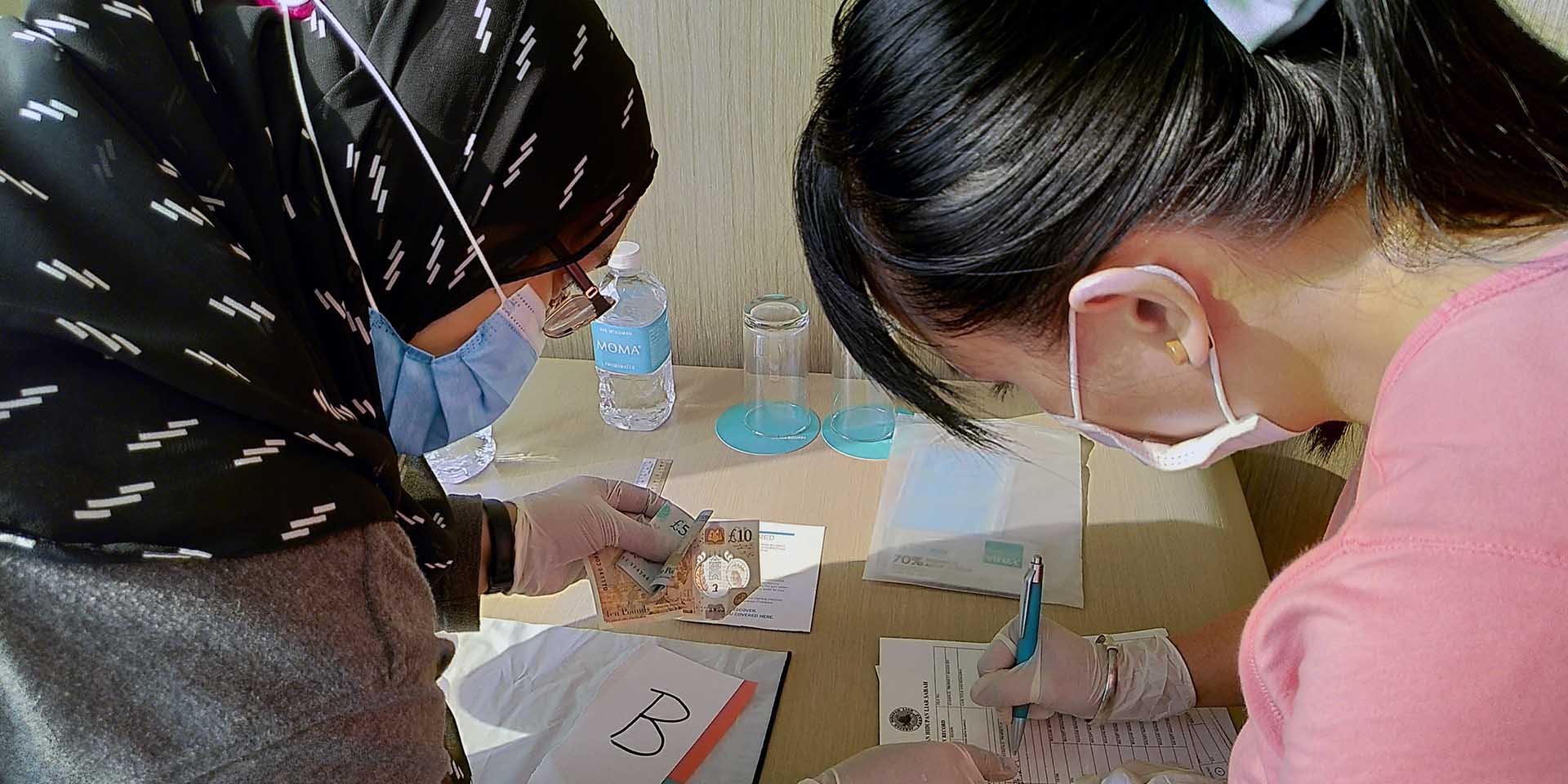
Participants practicing evidence collection


Crime Scene Management and Advanced Investigative Techniques Course, held in Kota Kinabalu in December 2022, organized by the Sabah Wildlife Department and Danau Girang Field Centre (DGFC)
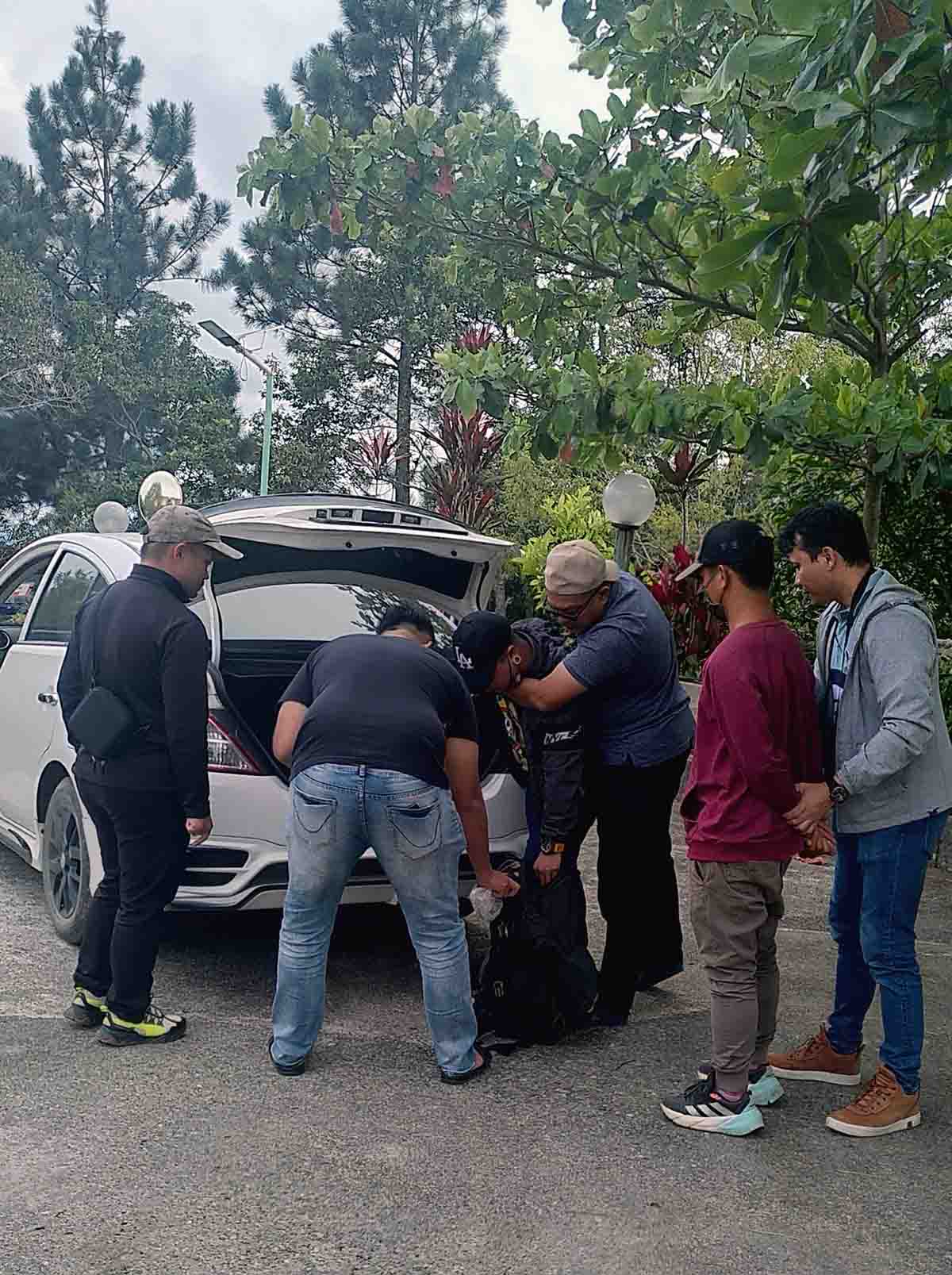
Participants practicing arrests and vehicle searches

Asian elephants prefer habitats on the boundaries of protected areas

Asian elephants prefer habitats on the boundaries of protected areas

Issued by Danau Girang Field Centre

18 October 2022, Kota Kinabalu: New research, offering the most comprehensive analysis of Asian elephant movement and habitat preference to date, finds that elephants prefer habitats on the periphery of protected areas, rather than the areas themselves. The findings were published yesterday in the British Ecological Society’s Journal of Applied Ecology.

An international team of researchers have analysed the movement and habitat preferences of 102 Asian elephants in Peninsular Malaysia and Borneo (Sabah), recording over 600,000 GPS locations. They found that the majority of elephants spent more than half of their time outside of protected areas, preferring slightly disturbed forests and areas of regrowth.

However, protected areas still played an important role, with the elephants’ biggest preference being for areas within three kilometres of protected area boundaries.

It’s thought that the preference for disturbed forest is related to food habits. Elephants like to eat grasses, bamboo, palms and fast-growing trees, which are common in disturbed environments, but relatively scarce under the canopy of old-growth forests.

Dr Ahimsa Campos-Arceiz from Xishuangbanna Tropical Botanical Garden and the University of Nottingham in Malaysia, and one of the lead authors of the study said: “Our results show that protected areas are very important, but not enough as an overall strategy for Asian elephant conservation.

“Given their preference for habitats outside the protected areas, elephants will inevitably come into conflict with people. This highlights the importance of promoting human-elephant coexistence around protected areas.”

The authors make clear that their findings do not diminish the importance of protected areas, a cornerstone of global conservation strategies. Professor Benoit Goossens from Danau Girang Field Centre and Cardiff University, the other lead author added: “We believe protected areas are the most effective tool for biodiversity conservation in general. In the case of Asian elephants, protected areas provide long-term safety and represent the core areas for elephant conservation.

“Our results show that elephant conservation strategies need to be realistic and acknowledge the nuances of elephant habitat needs and preferences, integrating holistic human-elephant coexistence approaches outside protected areas.”

“Based on our findings, added Goossens, we make three key recommendations for Asian elephant conservation:

  1. Include large protected areas with core areas where elephants can find safety
  2. Incorporate ecological corridors to connect networks of protected areas
  3. Mitigate against human-elephant conflict, especially around protected areas, with emphasis on protecting people’s safety and livelihoods, as well as promoting tolerance towards elephant presence.”

The Sundaic region, where the research took place, is a global hotspot for biodiversity. However, it is estimated that only 50% of the region’s original forest remains and less of 10% (but almost 30% in Sabah) of it is formally protected. Asian elephants are endangered and live in highly fragmented landscapes in this region.

Because of the extensive home ranges of Asian elephants, they can often find themselves in human dominated landscapes, which inevitably leads to human-elephant conflict.

In the study, the researchers analysed the movement of 102 Asian elephants, recording over 60,000 GPS locations across the Malay peninsula and Borneo. The data was compiled from over a decade of fieldwork by three research groups.

The researchers then compared this data with the locations of formally protected areas to see how much time elephants spent in these areas and the areas around them.

Protected areas can range dramatically in the level of protection they receive. In this study the authors only included protected areas listed in the World Database of Protected Areas in their analysis. They did not include exploited forest reserves which are used for logging.

Speaking on the next steps for research in this area and Asian elephant conservation, Dr Antonio de la Torre, first author of the study, said: “Human-elephant conflict is now the main threat for Asian elephants, yet we know surprisingly little about the effectiveness of different mitigation strategies and how to promote long-term and sustainable human-elephant coexistence.

“Understanding how we can reduce the costs of this conflict for both people and elephants, and how to increase people’s tolerance towards elephant presence, should be the top research priority in the area.”

The paper is Open Access and can be downloaded at the following link: https://besjournals.onlinelibrary.wiley.com/doi/10.1111/1365-2664.14286 .

-ENDS-

_______________________________________________

For more information on this press release, please contact:

Dr Benoit Goossens
Danau Girang Field Centre
contact@dgfc.life

Collared female elephant crossing a tributary in the Lower Kinabatangan Wildlife Sanctuary, Sabah, Malaysia. Photo credit: Rudi Delvaux/DGFC


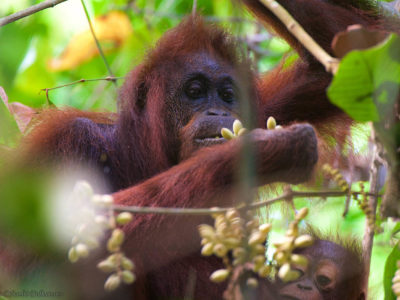
Closeup of orangutan in Borneo

Half-Earth doubles gains for orangutans

Half-Earth doubles gains for orangutans

A joint press release from HUTAN and Danau Girang Field Centre

16 October 2022, Kota Kinabalu: A new study in Oryx—The International Journal of Conservation assesses what would happen to Bornean orangutans in the next decade under different management assumptions. 

The study looks at three scenarios: Business As Usual (BAU), which is the continuation of on-going management practices; the Half-Earth vision, a concept launched by E.O. Wilson in which half of the land and sea would be protected to manage sufficient habitat to reverse the species extinction crisis and ensure the long-term health of our planet; the Whole-Earth approach, also known as “Sharing the Planet” vision, which advocates the global integration of conservation agenda with other societal goals.

The group of 20 experts from Malaysia, Indonesia and overseas participating in the study concluded that under current management practices orangutan populations may decline by around 27% between now and 2032 in Borneo. This would represent several hundreds of orangutans for Sabah alone.

Professor Benoit Goossens, Director of Danau Girang Field Centre and affiliated with the Sabah Wildlife Department, commented that “business-as-usual in orangutan conservation is clearly insufficient to support the protection of the species. Luckily there appear to be better strategies, with especially a Half-Earth approach to conservation predicted to strongly reduce orangutan declines in the next decade”.  

Half-Earth, with a goal of protecting at least half of Borneo, would be comparatively easy to achieve and would reduce the decline in the orangutan population by 2032 by at least half compared to current management. “Indeed, 65% of Sabah’s landmass is forested, and Sabah is committed to ensuring that at least 50% of its landmass is designated and protected for sustainable forest exploitation, environmental protection, biodiversity conservation, and socio-economic well-being,” added Goossens.

The Whole-Earth approach, a fundamentally different approach to conservation focused on equitable land management, finance, and governance, was, however, foreseen to lead to greater forest loss and ape killing and a 56% population decline within the next 10 years across Borneo. Whole-Earth approaches are valuable but may not be workable for the short-term orangutan conservation needs, because of political and economic realities on the ground.

Dr Marc Ancrenaz, HUTAN Scientific Director and also affiliated with the Sabah Wildlife Department, said “the good news is that this analysis predicts that, if orangutan killing and habitat loss were stopped, orangutan populations could rebound and reach 148% of their current size by 2122. The recent surveys by the Sabah Wildlife Department and their partners show that the size of most orangutan populations is stabilizing in the State. Despite large population declines over the past 20 years, we start to see glimmers of hope for orangutans. Indonesian and Malaysian deforestation rates are down, as are expansion rates of oil palm and other crops.”

However effective conservation investment and management are needed to ensure that orangutan habitats would remain permanently forested, and that the other key threat – unsustainable killing – is effectively addressed. To prevent killing, more effective engagement with rural communities on Borneo is urgently needed, and this is where elements of the Whole-Earth approach are helpful – particularly in prompting a long-term overhaul of orangutan conservation’s scientific, ethical and funding models. 

The authors encourage both the Indonesian and Malaysian government to build on their commitments to setting aside at least half the land area of their countries for conservation, while enforcing the policies that ensure forests are conserved and orangutan killing is halted and the degradation of its habitat is halted and reversed. They also call on the Global North to match these commitments from the tropics by restoring natural areas. At the same time, they highlight the importance of adopting more holistic, equitable Whole-Earth style approaches when designing long-term strategies for orangutan conservation.

It is not an easy path ahead, but solutions exist that can ensure the long-term survival and even population recovery of the Asian red ape.

The article Restoring the red ape in a whole- or half-earth context is available in Oryx—The International Journal of Conservation. Publication of this article was sponsored by the SSC–Oryx Partnership Fund.

The paper is available at https://doi.org/10.1017/S003060532200093X.

_______________________________________________

For more information on this press release, please contact:

Dr. Benoit Goossens
Danau Girang Field Centre

contact@dgfc.life


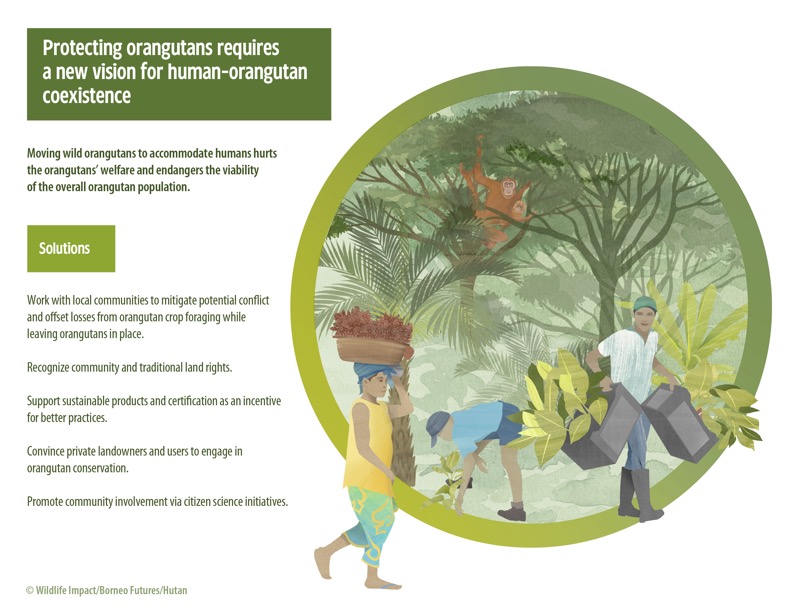
Poster on Protecting orangutans requires a new vision for human-orangutan coexistence

Poster with the question, What is needed to recover orangutan populations?

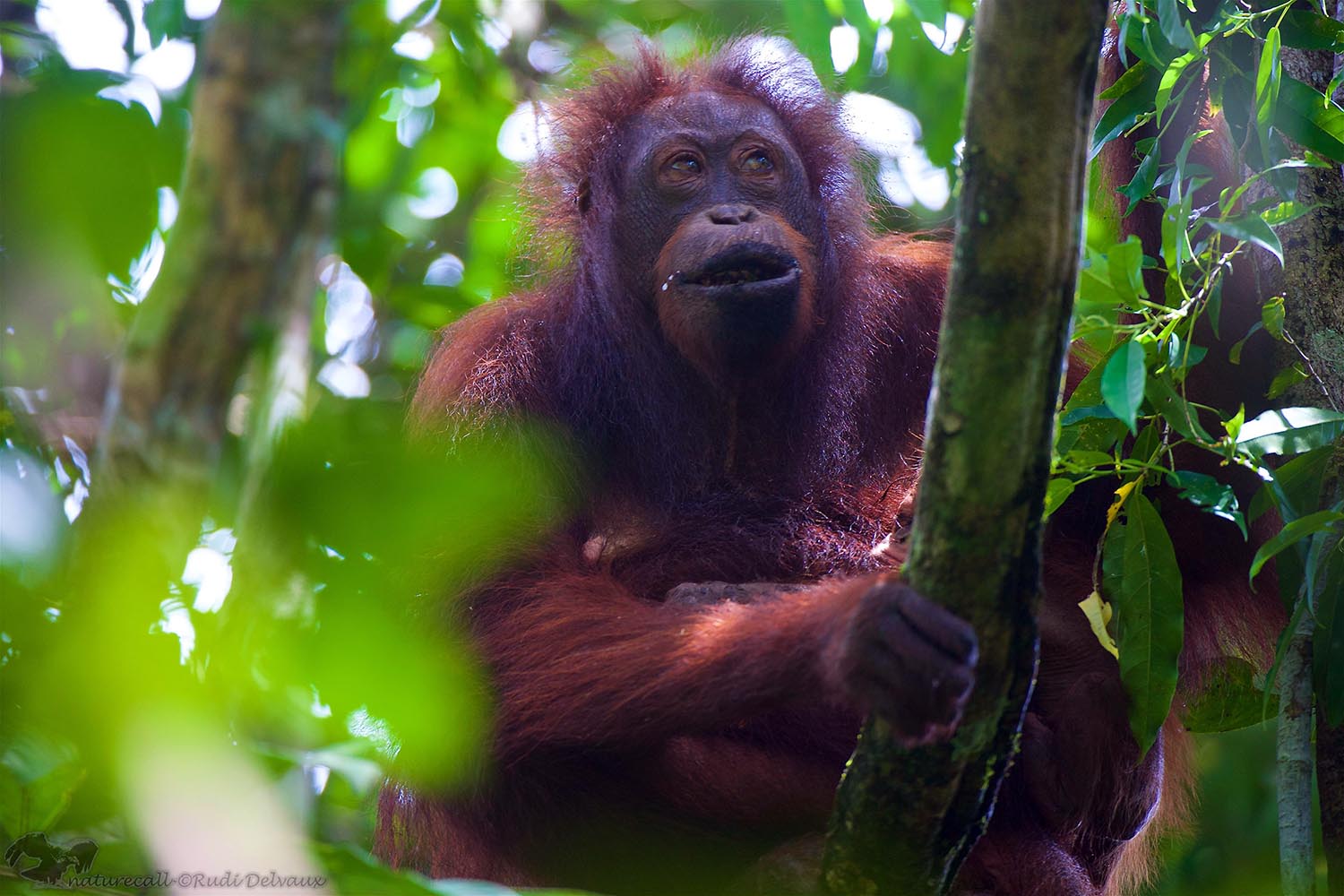
Close up of orangutan in Borneo

Justice for Silent Victims X: Investigation, Prosecution and Courtroom Training

Justice for Silent Victims X: Investigation, Prosecution and Courtroom Training

A joint press release from Sabah Wildlife Department, Danau Girang Field Centre, Justice for Wildlife Malaysia and the U.S. Department of Justice (USDOJ)

22–26 August 2022, Kota Kinabalu: 32 representatives of nine state departments, law enforcement agencies and NGOs gathered this week to participate in the Justice for Silent Victims X: Investigation, Prosecution and Courtroom Training. Jointly organized by the Sabah Wildlife Department (SWD), the U.S. Department of Justice’s Office (USDOJ) of Overseas Prosecutorial Development, Assistance and Training (OPDAT), Justice for Wildlife Malaysia (JWM), and Danau Girang Field Centre (DGFC), the participants gained experience on arrests, interviewing, prosecution and court decorum methods and techniques through a mix of presentations and practical exercises. 

The U.S. Department of State’s Bureau of International Narcotics and Law Enforcement Affairs (INL) funded the course through the project “Boosting Enforcement and Forensic Capability to Deter Wildlife Trafficking in Sabah,” coordinated by the SWD and DGFC, and through OPDAT. Poaching, hunting, illegal killing and trade, are real threats to the many endangered species in Sabah and have been at the forefront of wildlife enforcement agenda, more so in recent years. 

“We are grateful to the U.S. Department of Justice and to Justice for Wildlife Malaysia for partnering with the Sabah Wildlife Department and Danau Girang Field Centre to deliver this training,” said the SWD’s Deputy Director, Mr. Mohd Soffian Abu Bakar. “It is important to establish strong cases in order for the prosecution to successfully convict criminals. We have been strengthening our investigation capacity but we still need to improve on consolidating the results of investigations into convincing prosecutions; in the SWD and other state agencies, our officers are not formal lawyers, our prosecutorial capacity is derived from trainings such as this one. We couldn’t do it either without the support of members of the Malaysian Judiciary, especially Sabah’s Judiciary office,” he concluded.

For her part, Ms. Sylvia Shweder, USDOJ’s OPDAT Regional Resident Legal Advisor for Counter Wildlife Trafficking in Southeast Asia, said that “the United States supports workshops like this so the global community can work together to dismantle wildlife trafficking criminal organizations that are endangering our world’s treasured animals.”

Working together with the U.S. Department of Justice and the NGO PANTHERA, Justice for Wildlife Malaysia has been organizing the Justice for Silent Victims workshops, mostly in Peninsular Malaysia. “We are very excited to finally engage with officers from Sabah, in Sabah, for our crime-scene-to-courtroom training. We are happy to see the enthusiasm of the participants and we look forward to working with them in addressing transboundary wildlife crime and fostering a good prosecution network to make sure wildlife criminals can be put behind bars,” commented Dr. Nor Arlina Amirah Ahmad Ghani, Director and Co-founder of Justice of Wildlife Malaysia.

Dr. Milena Salgado Lynn, who is the coordinator of the INL project for DGFC said, “The INL-funded project has allowed us to support a strong inter-agency network that has been training together in several topics including Crime Scene Investigation, Biosafety, and Online Investigations. This prosecution and courtroom training is another next step on the ladder to reach convictions after prosecution cases are presented in court. We are encouraged to keep up with the work when we see the participants fully engaging in the courses and also supporting each other during real-life cases.”

The program “Boosting Enforcement and Forensic Capacity in Sabah to Deter Wildlife Crimes” will enter its final year in October 2022 and it is expected to continue supporting similar trainings until its conclusion.

_______________________________________________

For more information on this press release, please contact:

Dr. Milena Salgado Lynn

Danau Girang Field Centre

contact@dgfc.life

Protecting all remaining forests and abandoning the Sukau bridge project crucial for the future of Kinabatangan elephants

Protecting all remaining forests and abandoning the Sukau bridge project crucial for the future of Kinabatangan elephants

Press release from Danau Girang Field Centre, Forever Sabah, HUTAN and Seratu Aatai

1 August 2022, Kinabatangan, Sabah: Protecting all remaining forests and abandoning plans for a public road through the Kinabatangan elephant range is of prime importance if we want to safeguard this highly threatened population. A new study published in the journal Scientific Reports also stresses out that effectively managing areas outside of protected areas is also necessary for the long-term survival of the Kinabatangan elephant population.

In this study, the authors used GPS collared data for 14 elephants and developed land use/land cover data to assess how these elephants use the oil palm dominated landscape in the Kinabatangan floodplain. “With these data, we identified the distribution and hot spots of 11 females and three males living in the Lower Kinabatangan from 2010 to 2020. We also estimated the proportion of time spent within differing land use categories within the elephant’s hot spots and compared this with their known ranges,” explained Dr Nicola Abram, from Forever Sabah. “We also looked at time spent by elephants in different oil palm estates to identify where better management strategies are needed to improve habitat permeability and reduce human-elephant conflicts,” said Abram.

“Moreover, identifying the location of hot spots, or areas most frequented by the elephants, is essential in designing appropriate management practices in collaboration with land users and identifying the best location for elephants corridors; something that all our organisations, HUTAN, Seratu Aatai, Danau Girang Field Centre and Forever Sabah, together with Sabah Wildlife Department and Sabah Forestry Department have been working on for several years,” said Dr Nurzhafarina Othman, Senior Lecturer at Universiti Malaysia Sabah and founder of Seratu Aatai.

In the Lower Kinabatangan, 49 km 2 of unprotected forest being on state land and various land titles are at risk of being converted.

“Protecting these forests is an essential and efficient way to secure key elephant habitat since all collared individuals were using these forest fragments in their entire range. On average, 24% of time was spent in unprotected forests within hot spots. In fact, five females had large proportions of their hot spot extents in unprotected forests, spending substantial periods of their time (33-61%) within these threatened areas,” added Othman. “It is therefore critical for the survival of the elephant population in the Kinabatangan that these unprotected forests are preserved and acquire protection status as soon as possible,” stressed Othman.

“Another significant issue faced by these elephants is the threat from the controversial Sukau bridge and road/highway that is set out in the Sabah Structure Plan, said Professor Benoit Goossens from Cardiff University, and director of Danau Girang Field Centre. “Currently, a new road is under construction on the northern bank of the village of Sukau, and this has already cleared areas of unprotected forest. This public road could link to a potential new bridge that would cross over the Kinabatangan River, cutting through unprotected forest and a protected area (Lot 3 of the Lower Kinabatangan Wildlife Sanctuary), before going through palm oil estates,” added Goossens. “For the Kinabatangan, creating a public highway will cut the elephant population range into two parts. All collared elephants use this area, as it is a key bottleneck and the only alternative option to pass around Sukau village. Our analyses suggest that if the road/highway (and the bridge) goes ahead it will have a significant impact on the elephants’ behaviour. By disturbing their ranging patterns and segmenting the entire elephant range, there will be dire consequences for these animals and their family groups. The existing road in Batu Putih has already proven to be an impassable barrier for this population. It is our hope that this study illustrates the importance of protecting all forested habitats, effectively managing areas outside of protected areas and completely abandoning the plan for a new cross-Kinabatangan bridge
as stated in the recent Cabinet-approved Bornean Elephant Action Plan 2020-2029,” concluded Goossens.

The collaring of the elephants in the Kinabatangan was mainly supported by Houston Zoo, Columbus Zoo and Aquarium, Elephant Family, Mohamed bin Zayed Species Conservation Fund, Ocean Park Conservation Foundation Hong Kong, US Fish and Wildlife Service Asian Elephant Conservation Fund and the Asian Elephant Foundation.

_______________________________________________

For more information on this press release, please contact:

Dr. Benoit Goossens
Danau Girang Field Centre

contact@dgfc.life

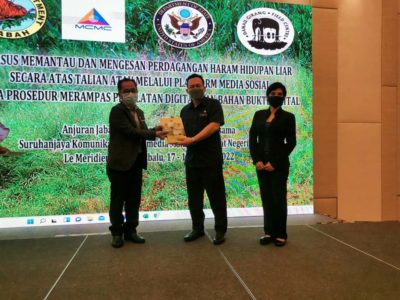
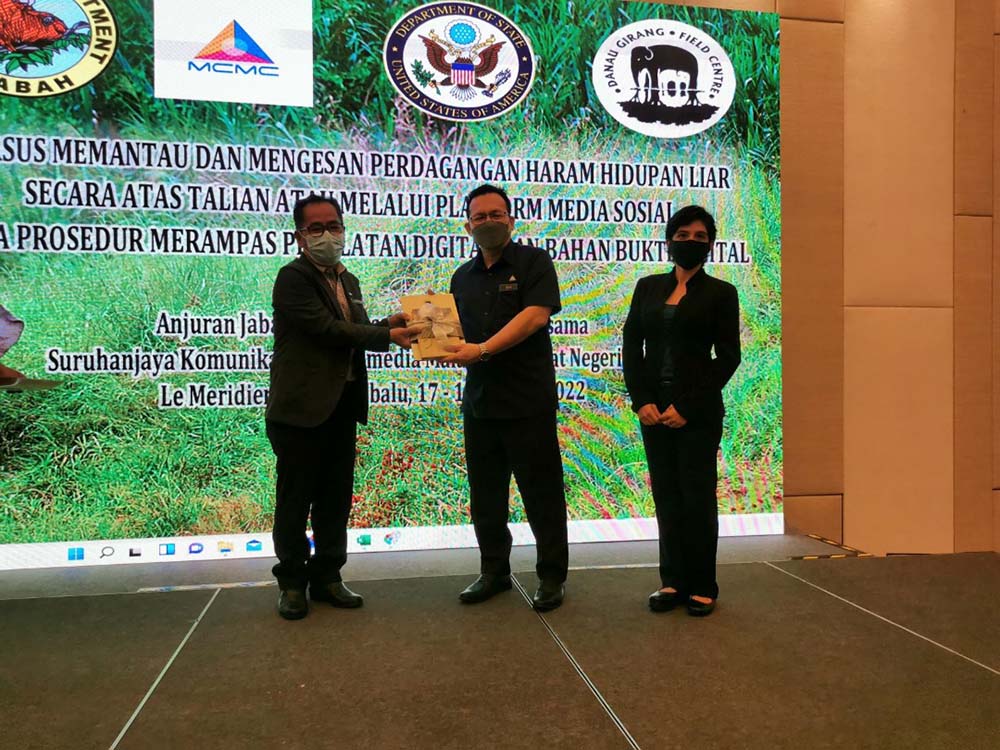
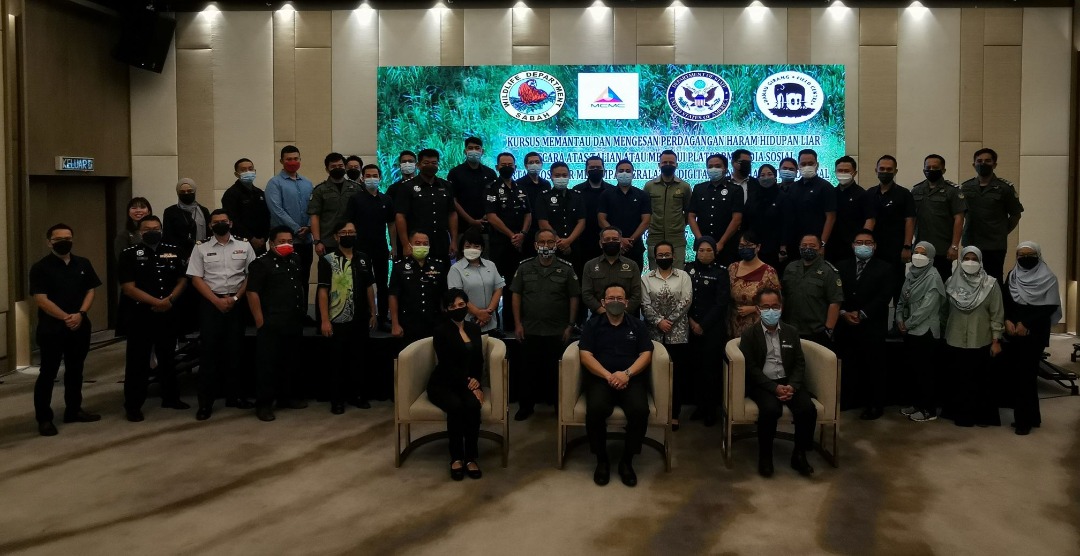
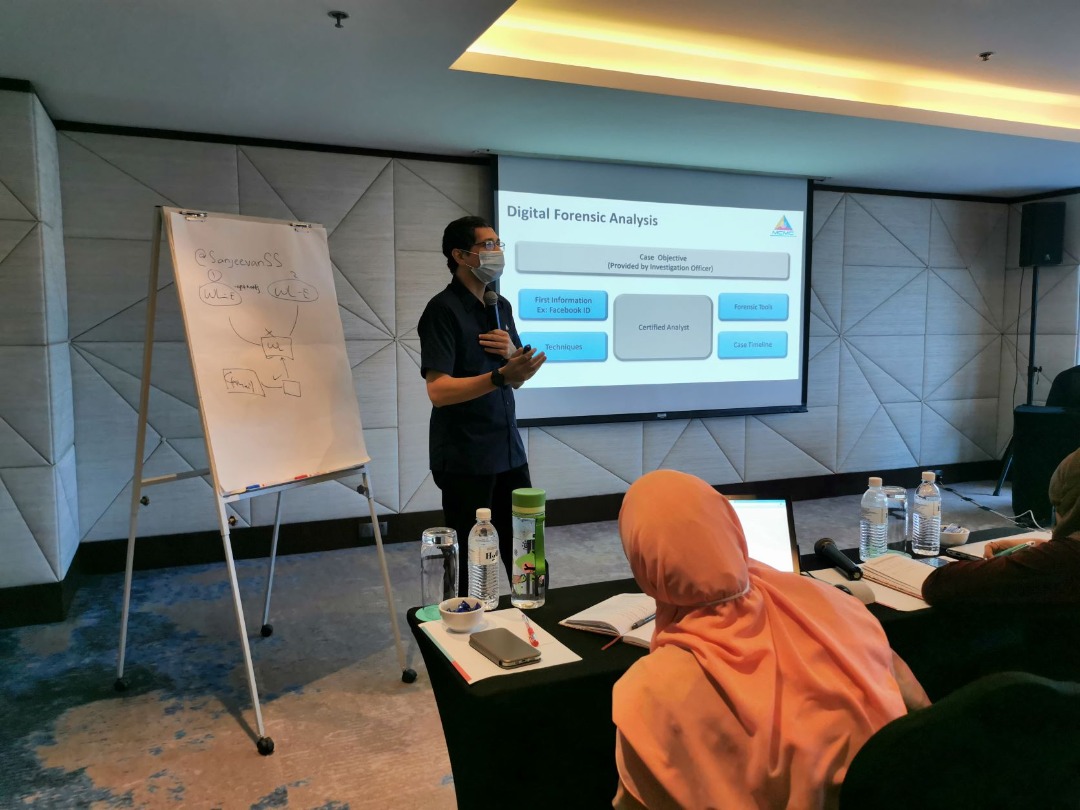
Course on Monitoring and Detecting Illegal Wildlife Trade Online or Through Social Media Platforms and Procedures for Seizing Digital Equipment and Digital Evidence to boost enforcement efforts against wildlife crimes

Course on Monitoring and Detecting Illegal Wildlife Trade Online or Through Social Media Platforms and Procedures for Seizing Digital Equipment and Digital Evidence to boost enforcement efforts against wildlife crimes

A joint press release from Sabah Wildlife Department and Danau Girang Field Centre

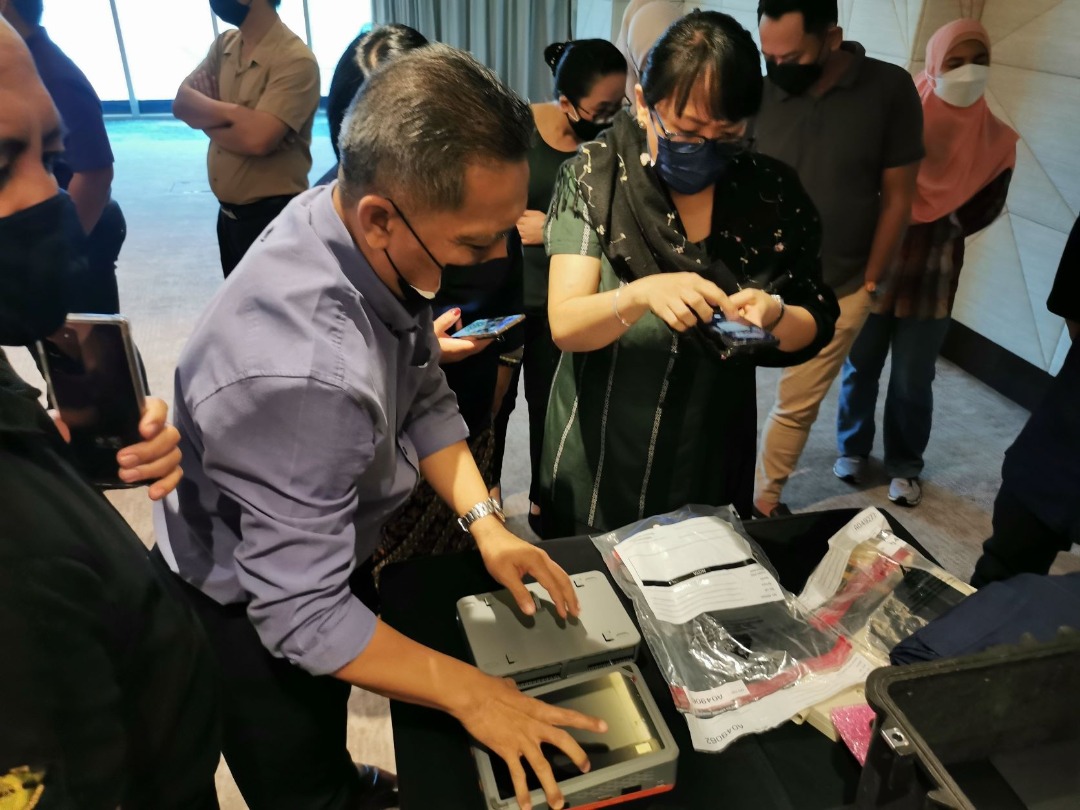
23 January 2022, Kota Kinabalu: Members of the Wildlife Crime Interagency Working Group comprising of representatives of various state departments, law enforcement agencies and NGOs recently completed a two (2) day course earlier last week on how to monitor social media platforms and seize digital equipment and evidence applicable to wildlife trafficking and illegal trade.

Jointly organised by Sabah Wildlife Department (SWD), the Malaysian Communications and Multimedia Commission (MCMC), and Danau Girang Field Centre (DGFC), the training provided an opportunity for the working group to improve their knowledge on theoretical and practical aspects related to information gathering using open-source techniques, "First Responder Activity" and also "Data Preservation" that will be used during raid activities carried out against the criminals involved who use Social Media as a platform for criminal conduct.

This course is the 14th in a series funded by the US Department of State’s Bureau of International Narcotics and Law Enforcement Affairs (INL), through the project “Boosting Enforcement and Forensic Capability to Deter Wildlife Trafficking in Sabah” coordinated by the SWD and DGFC. Poaching, hunting, illegal killing and trade, are real threats to the many endangered species in Sabah and have been at the forefront of wildlife enforcement agenda, more so in recent years.

Mr Augustine Tuuga, Director of the Sabah Wildlife Department explained: “recently the illegal trade of Wildlife species is often carried out virtually or through social media platforms such as Facebook, WhatsApp, Telegram and so on. This presents a huge challenge to enforcement personnel, especially in collecting digital evidence. Cases of departmental arrests involving online sales are still few and often arrests are made when it is ensured that protected wildlife is under the possession of the suspect. Furthermore, under the existing law it is not an offense for a person to display animals that are protected or fully protected on his/her social media platform.”

Meanwhile, DGFC has been working intensely with SWD to combat these criminal activities by organising and facilitating trainings like this one, and also by setting up an Intelligence Unit and a Forensic Unit at the SWD.

Dr. Milena Salgado Lynn who is the coordinator of the INL project for DGFC said, “We are very grateful to MCMC for agreeing to form a close cooperation with the SWD in providing the training courses last week for the Interagency Working Group also set up during this Programme. The feedback from the participants has been very positive. Although for many it was a new topic, they mentioned feeling more confident in doing this type of online investigation. It is the commitment and response of the participating agencies that has enabled us to successfully deliver previous courses, despite the COVID-19 pandemic constraints.”

“It was very encouraging when INL offered to fund the continuation of the project for two more years, after the original end date of October 2021. We look forward to the next two years and seeing the impact it can do to curb these illegal activities,” she concluded.

Almost RM8 million have been funded by the Bureau of International Narcotics and Law Enforcement Affairs of the US State Department towards this enforcement and forensic program which has been running since October 2019.

_______________________________________________

For more information on this press release, please contact:

Dr Benoit Goossens
Danau Girang Field Centre
contact@dgfc.life

Workshop on Challenges of Enforcement in Combating Corruption in Wildlife Crimes concluded last week

Workshop on Challenges of Enforcement in Combating Corruption in Wildlife Crimes concluded last week

A joint press release from Sabah Wildlife Department, Malaysian Anti-Corruption Commission and Danau Girang Field Centre

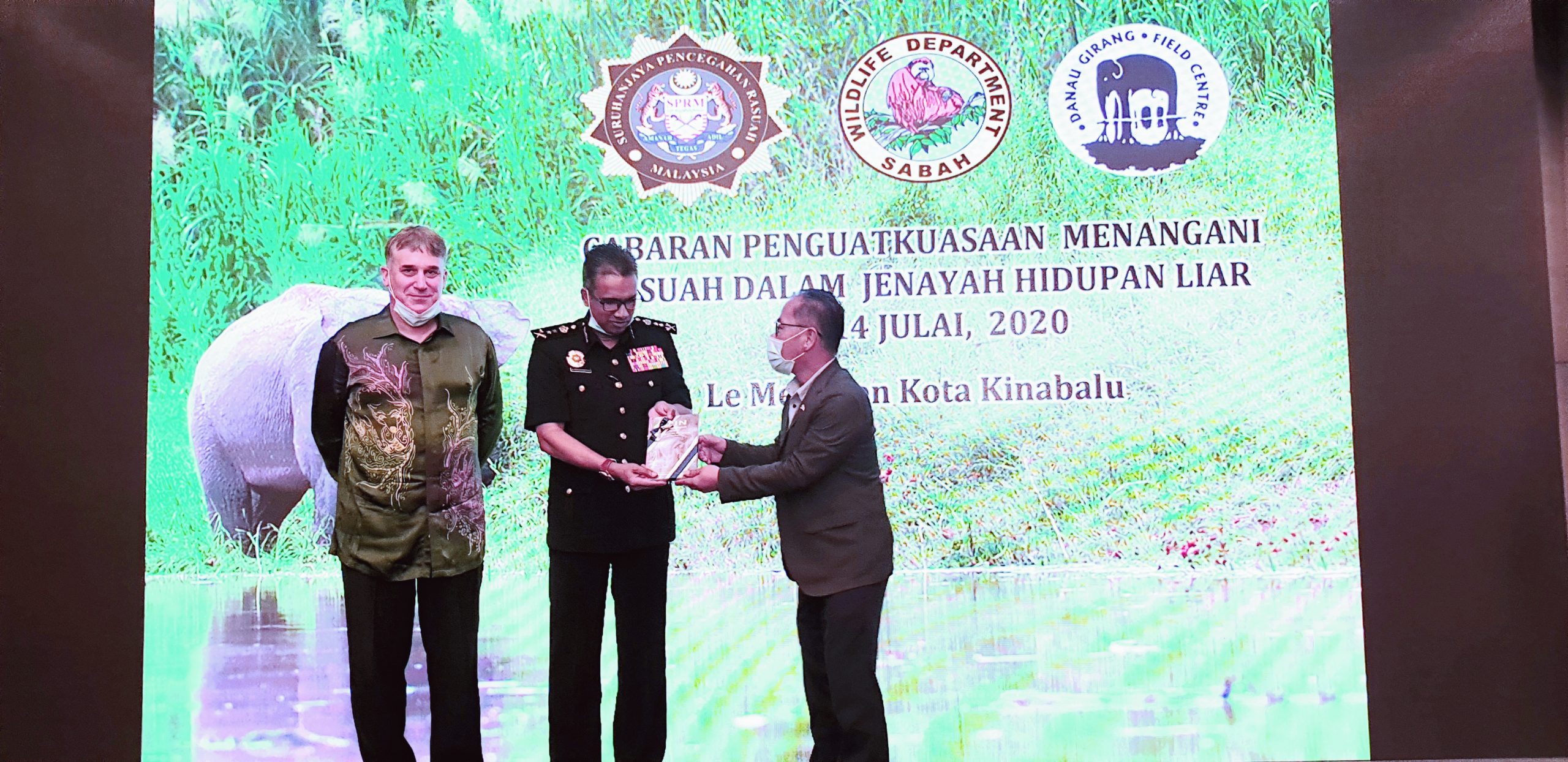
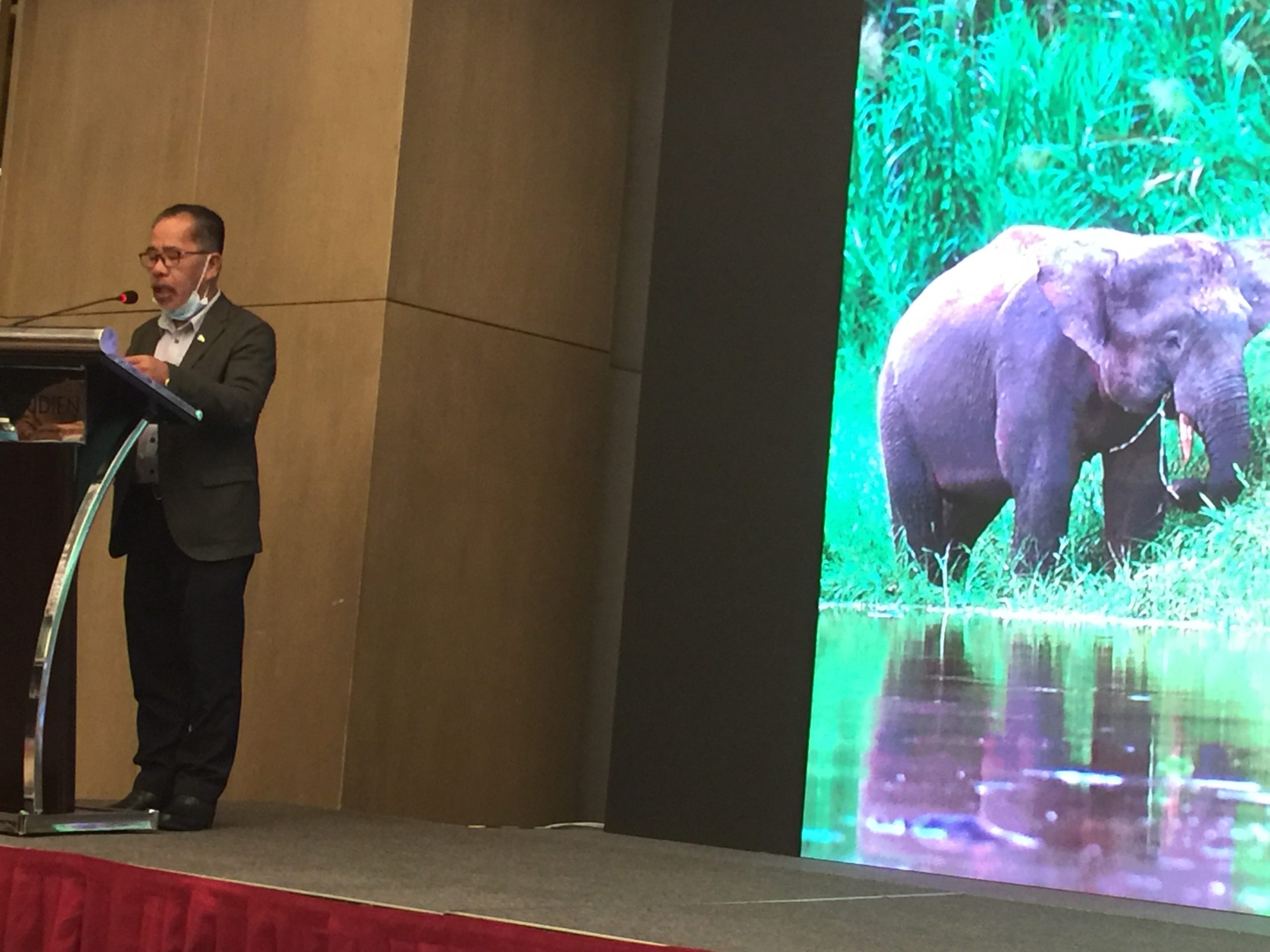
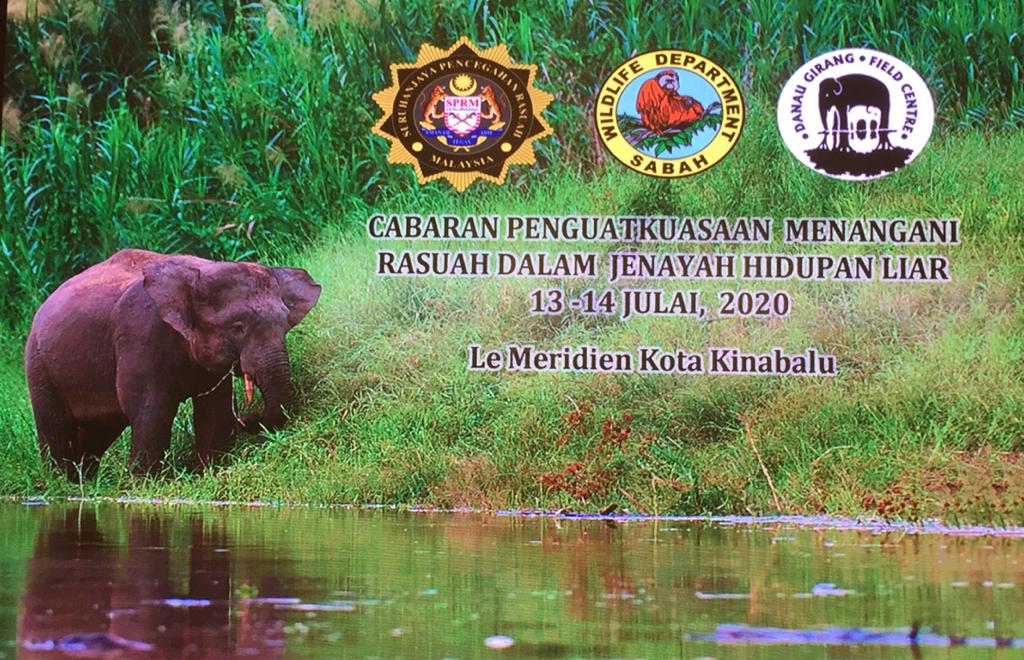
21 July 2020, Kota Kinabalu: Sabah and Sarawak representatives of law enforcement agencies met in Kota Kinabalu on the 13 and 14 of July to increase awareness on anti-corruption laws, including witness and whistleblower protection. This workshop was part of the training available for the inter-agency Working Group on Wildlife Crime Intelligence.

The workshop, organised by Sabah Wildlife Department (SWD), Malaysian Anti-Corruption Commission (MACC) and Danau Girang Field Centre (DGFC), was a platform for the different agencies to share the difficulties when witnessing and denouncing corruption related to wildlife crimes.

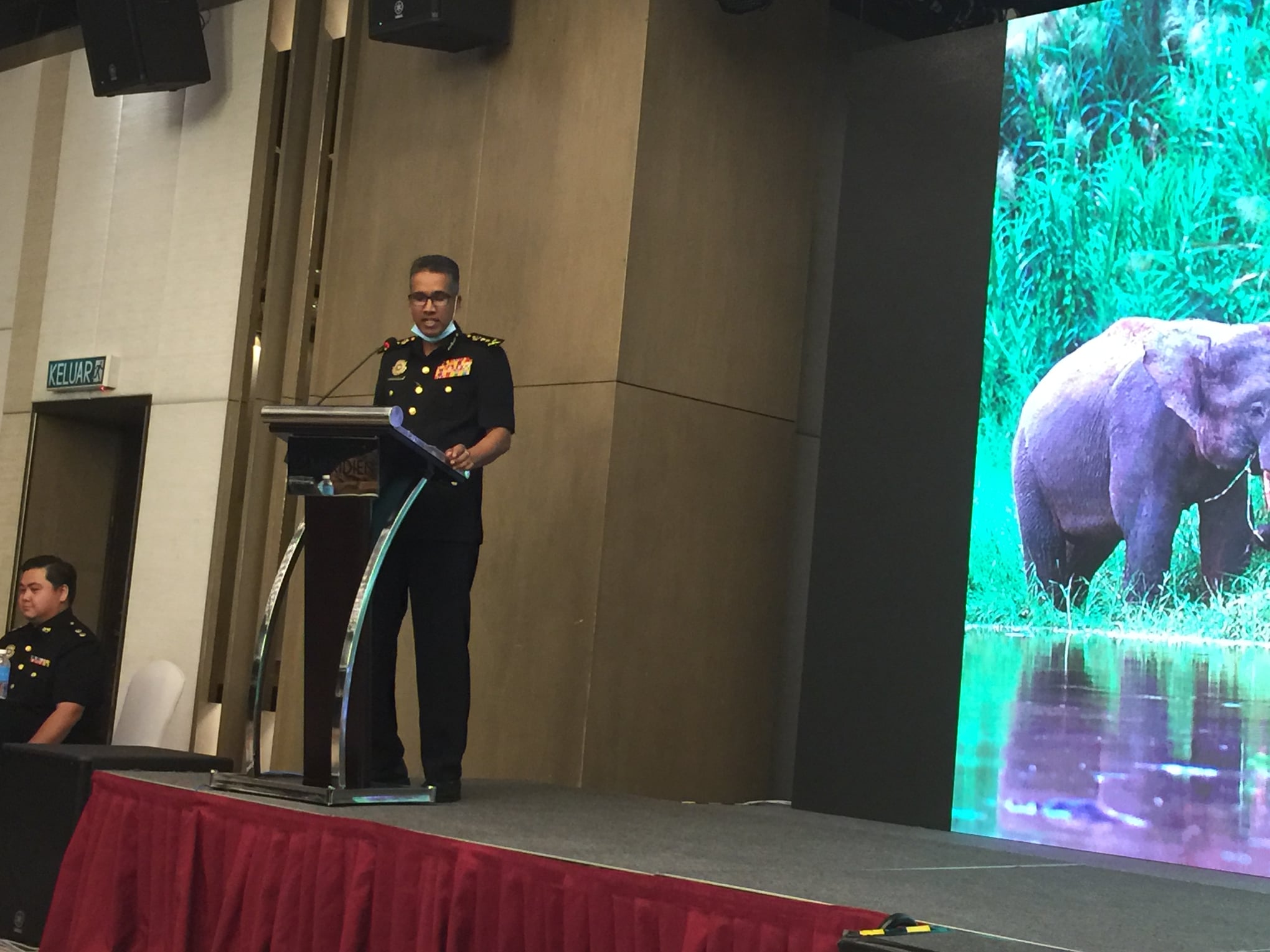
According to the Director of the MACC, Mr Karunanithy A/L Y. Subbiah: “Worldwide, bribery in crimes involving wildlife smuggling is increasingly spreading at a worrying pace and has become one of the driving forces for illicit trade that is still hard to curb at national and international level.” He also emphasized that “bribery is no longer seen as only a local problem but has evolved into trans-boundary crime phenomena which coincides with the main topic of the workshop that focuses on trade and smuggling of wildlife internationally that usually involves bribery, smuggling, money laundering and others”.

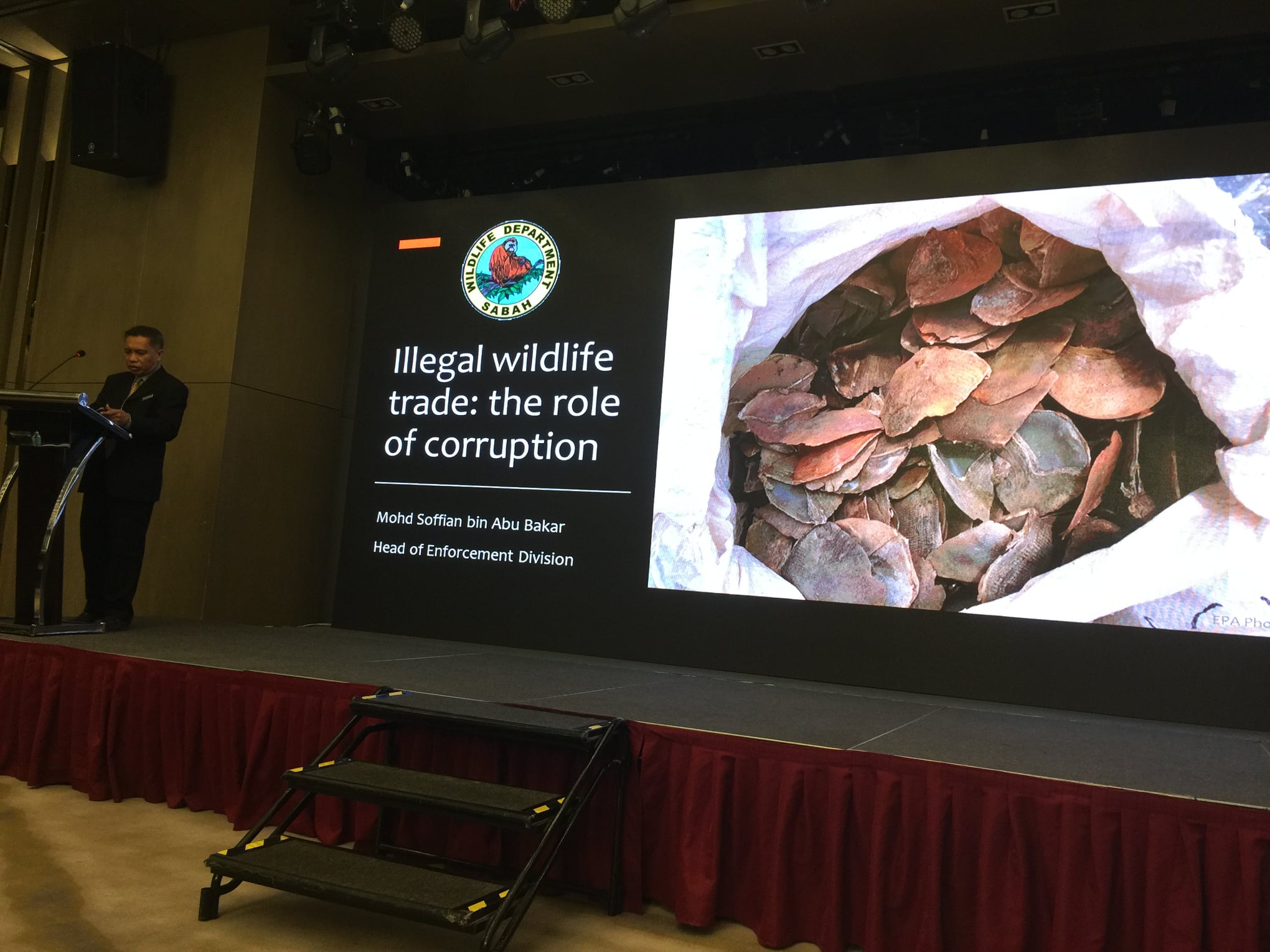
“We must be aware that corruption is multifaceted and can occur at every stage of the wildlife, forestry and fisheries value chain. It can include bribes for information on the movement of animals or patrols, or to obtain rights and quotas, or grease the wheels of shipments, to ensure that they are not inspected or seized”, said Mr Augustine Tuuga, Director of the SWD, during the opening ceremony.

“This is the first time an anti-corruption workshop with emphasis on wildlife crimes takes place in Sabah”, remarked Tuuga. He also mentioned that the SWD must work with all possible partners to build understanding and ensure that wildlife, forest and fisheries agencies are trained and equipped to respond to corruption. The department is also looking forward to extend the collaboration with the MACC. “We will work towards the creation of an Organisational Anti-Corruption Plan”, said Tuuga.

DGFC’s Director, Prof Benoit Goossens, said he hopes the workshop will be an opportunity to increase inter-agency collaboration and to work towards the objectives of the Wildlife State Action Plans adopted last year by the State Cabinet.

“During the 2017 international workshops on proboscis monkey, Sunda clouded leopard and Bornean banteng, jointly organised by SWD and DGFC, it was recognised that poaching, hunting, and illegal killing and trade, were real threats to these and other species in Sabah. The information compiled at the workshops was included in the State Action Plans for each species, specifically to increase the capacities of wildlife law enforcement government agencies and of key partners in conservation. In particular, to train crime analysts, investigators and intelligence gatherers, and a certified forensic technician at the Sabah Wildlife Health, Genetic and Forensic Laboratory (WHGFL)”, Goossens added. “We have been working continuously with Sabah Forestry Department and with SWD towards the implementation of the action plans,” Goossens concluded.

This training is part of the program “Boosting enforcement and forensic capacity to deter wildlife crimes in Sabah”. Almost RM4 million have been funded by the Bureau of International Narcotics and Law Enforcement Affairs of the US Department of State through DGFC. The enforcement and forensic program will support a number of specialised training sessions, not only for the units of SWD, but also for the members of the Working Group on Wildlife Crime Intelligence. This week this group is following a training on Crime Scene Management and Advanced Investigative Techniques.

_______________________________________________

For more information on this press release, please contact:

Dr. Benoit Goossens
Danau Girang Field Centre
contact@dgfc.life